
Of all the equipment a polo player relies on, few work as hard, or as quietly, as a pair of gloves. They are the single point of contact between your hand and the mallet, and on the rein hand they carry every subtle signal to your pony. A well-kept glove disappears in play: it grips when the handle is slick with sweat, cushions the vibration of a clean strike, and moves like a second skin through every chukka. A neglected one does the opposite, slipping at the wrong moment, stiffening into something that blisters and distracts, and wearing out long before it should.
The good news is that keeping polo gloves in excellent condition is far less about expensive treatments than about a few well-timed habits. Whether you ride in supple leather or a modern synthetic, the principles of cleaning, conditioning, drying and storage are straightforward, and understanding the reasons behind them is what turns a routine into instinct. This guide walks through each one in turn, so your gloves protect your grip, your comfort and your investment for seasons to come.
Understanding what your polo gloves are made of
Good care begins with knowing what you are caring for, because the material of a glove dictates almost everything about how it should be treated. Polo gloves exist to do three jobs at once: improve grip on the mallet handle, especially in wet or sweaty conditions; protect the palm and fingers from blisters and rein friction over repeated chukkas; and absorb some of the vibration that travels up the mallet on contact. How a glove is built to do that shapes the way you should look after it.
Leather gloves
Traditional and premium polo gloves are made of leather, prized because it moulds to the hand for a custom fit, breathes naturally, and offers a grip and feel that many players find unmatched. The gloving leathers used across the equestrian and sporting world include cabretta, a soft, thin hair-sheep leather whose grip actually improves when slightly damp; deerskin, soft yet strong; goatskin, notably abrasion-resistant; and cowhide, tough and durable but requiring more break-in. Some fine polo gloves use peccary or peccary-embossed leather for a refined finish. Leather’s great virtue, that it is a living material, is also its vulnerability: it must stay lubricated and hydrated to remain supple, which is the single idea underpinning most of the advice that follows.
Synthetic gloves
Modern synthetic gloves use engineered palm fabrics, microfibre suedes and four-way-stretch mesh among them, that are lighter than leather for closer mallet contact, quick to dry, and low-maintenance. Many actually grip better as the hand warms and sweats. They resist moisture and rot far better than leather, which makes them a natural choice for wet or demanding conditions, though they are not entirely immune to heat, ultraviolet light or the odour that builds up from sweat and bacteria.
What sets a polo glove apart
Riding gloves, golf gloves and polo gloves all prioritise grip and tactile feel, but a polo glove endures a harsher life. It must survive the constant, repeated friction of gripping a substantial mallet swung dozens of times per chukka, along with close-play contact, field dust, mud, rain, sun, and both horse and rider sweat. That is why polo gloves so often feature reinforced palms, ventilated or mesh backs for breathability, pre-curved fingers, adjustable wrist closures, and extra reinforcement between the index and middle fingers, where the reins pass and wear is heaviest. When you explore a dedicated polo glove collection, these are the construction details worth looking for, and they are also the areas that reward the most attention in cleaning and inspection.
“On the mallet hand, a glove isn’t an accessory — it’s performance equipment. The moment it stops gripping cleanly, you start compensating with your hand, and your play suffers before you even notice. Caring for them is really about protecting your control.” for them is really about protecting your control.” – Alejandra Falkinhoff, CEO, Ona Polo
Why polo gloves wear out: The science of degradation
Understanding why gloves fail makes every care rule feel obvious rather than arbitrary. Leather is a matrix of collagen protein fibres, and the tanning process introduces oils that lubricate those fibres so they glide past one another instead of grinding. When that lubrication is lost, the fibres abrade, stiffen and eventually crack. Almost every threat to a glove works by attacking that delicate balance.
Heat is the greatest enemy
Leather is highly sensitive to heat. As the Canadian Conservation Institute and the Leather Conservation Centre both note that elevated temperatures dry out, embrittle and deform leather through desiccation, which is precisely why a hot car dashboard, a radiator, a hairdryer or direct sun is genuinely destructive rather than merely inadvisable. Synthetic fibres suffer too, becoming brittle with prolonged heat and ultraviolet exposure. No glove of any material should ever be dried or stored near a heat source.
Sweat and salt
As sweat dries within a glove it leaves behind crystalline salt. Salt is a desiccant: it draws moisture and natural oils out of the hide, leaving leather brittle and prone to cracking, and can leave pale bloom marks on the surface. Polo gloves face a double dose, catching both the rider’s sweat and, on the rein hand especially, contact with the horse. This is the chief reason a quick wipe after every session matters so much: it removes the salt before it can settle in and do its damage.
Repeated wetting and drying
Leather that is soaked in a wet chukka and then dried, particularly if dried too quickly, is placed under real mechanical stress. Repeated moist-and-dry cycles physically strain the hide’s fibres and make it more susceptible to chemical breakdown, and when moisture combines with heat the effect compounds. Controlling how a glove dries is therefore just as important as how it is cleaned.
Sun, dust, mud and friction
Ultraviolet light dries and fades leather over time; ground-in field grit acts as an abrasive; and the simple mechanical friction of gripping and re-gripping the mallet wears the palm fastest of all. None of these can be eliminated, but all can be slowed considerably with consistent care.
“In our experience the gloves that last longest do not belong to the players with the most expensive kit. They belong to the ones who wipe them down and let them breathe after every chukka. Salt and heat are what destroy a glove, and both are easy to manage if you build the habit early.” – Alejandra Falkinhoff, CEO, Ona Polo





Cleaning your polo gloves the right way
Cleaning is where gloves are most often either preserved or quietly ruined. A few golden rules apply to every glove, whatever its material: never machine wash leather, never wring or twist a glove, never dry with direct heat, and never reach for bleach, harsh detergents, solvents or fabric softener. It is also worth cleaning only as often as a glove genuinely needs it, since over-cleaning strips the very oils that keep leather alive.
Leather gloves: the after-play routine
The most valuable habit in glove care takes about ten seconds. After each session, wipe the gloves with a soft, dry or barely damp cloth to lift sweat, dirt and grime before they soak in, then reshape and air-dry them. Done consistently, this alone extends a glove’s life more than any product.
Leather gloves: an occasional deeper clean
When a leather pair needs more than a wipe, work gently and methodically:
- Put the gloves on your hands. This professional trick holds their shape and lets you work the leather naturally as you clean.
- Using lukewarm or cool water and a small amount of a mild soap, a gentle leather cleaner, glycerine or saddle soap used sparingly, lather onto a soft cloth and wipe the gloves down, including between the fingers. Do not soak or submerge them.
- Wipe away every trace of soap with a clean, damp cloth, since residue left behind will stiffen the leather as it dries.
- Reshape the gloves and allow them to air-dry slowly.
- Once fully dry, if the leather still feels dry or dull, work in a little neutral leather cream or polish, sparingly, on full-grain or waxed leathers only. Water-resistant leathers — including Ona’s own gloves, treated through the WR100X process — need no further product; leave them to dry naturally. A word of caution: use a light hand, and keep any cream to the back and sides of the glove. Too much on the palm leaves it greasy, and a greasy palm is exactly what costs you grip on the mallet.
Dealing with salt marks and odour
For the pale salt bloom that sweat leaves behind, first brush off any dry surface salt with a soft cloth. Persistent marks can often be lifted with a cloth lightly dampened in distilled water. For stubborn cases a very dilute solution of white vinegar and water can neutralise the alkaline salts, but use it sparingly, test on a hidden area first and always condition afterwards, since vinegar is itself acidic and drying. For odour, airing the gloves out thoroughly is the first and usually sufficient remedy.
Synthetic gloves
Synthetic gloves are far more forgiving. Rinse them in cool water, hand-wash gently with a mild soap, and rinse thoroughly, as any soap residue left behind will dull the grip. Press the water out in a towel rather than wringing, and let them air-dry. Many synthetics tolerate a gentle cold machine cycle inside a mesh bag with the closures fastened, but always check the care label first, and never tumble dry. As a rule, synthetics can be washed as often as they become sweaty or start to smell.
Conditioning: Keeping leather supple
Conditioning replaces the oils that keep collagen fibres flexible and staves off the cracking that ends a glove’s life. Apply a thin layer of a quality leather conditioner or balm with a soft cloth, working it into the flex points at the knuckles and seams, let it absorb, then buff away any excess. There is a simple test for getting the amount right: a correct application absorbs into the leather, so if you are wiping off a great deal of surplus, you have used too much.
What to avoid
- Over-conditioning. This is a genuine hazard rather than a nicety. Too much oil can, over time, dehydrate and stiffen leather rather than soften it, and an oily surface attracts dirt and compromises grip, a real problem on a glove.
- Petroleum products. Petroleum jelly, mineral oil and petroleum-blended dressings form occlusive coatings that accelerate long-term breakdown.
- Household oils. Olive or coconut oil may seem convenient, but they can go rancid, stain, and leave a greasy film that kills grip.
- Habitual use of strongly alkaline saddle soaps, which over time can darken, harden and weaken fine gloving leather.
The saddle and tack connection
Any player who already looks after a leather saddle or bridle owns both the instinct and, often, the products for glove care, because the principles are identical: wipe down after use, clean with a leather-appropriate product, condition lightly and periodically, keep leather away from heat and excess oil, and store it cool and dry. The same care that keeps a saddle supple keeps gloves alive; glove care is simply tack care in miniature. If you maintain leather goods elsewhere in your kit, you are already most of the way there.
Drying without damage
How a glove dries determines whether it is saved or spoiled, and the rules are refreshingly simple.
- Always air-dry at room temperature in a cool, shaded, well-ventilated spot.
- Never use direct sunlight, radiators, heaters, hairdryers, tumble dryers or a hot dashboard. Heat dries and embrittles leather and makes synthetics brittle.
- Reshape while damp. Pull leather gloves back into shape, and as they dry slip them on a few times to restore the fit to your hand, which is especially helpful for older gloves.
- Never return a damp glove to a closed kit bag, which is the fastest route to mildew and odour. For a thoroughly soaked pair, blot with a towel, loosely stuff with paper to hold shape and absorb interior moisture, and let them dry slowly.
Storing polo gloves for the short and long term
Correct storage is a quiet form of preservation, and it matters as much between seasons as between matches.
- Keep them cool, dry, dark and ventilated. A stable, moderate environment is ideal; excessive humidity invites mould and fibre breakdown, while air that is too dry embrittles and cracks leather over time.
- Avoid plastic bags and airtight containers. Leather must breathe, and sealed plastic traps humidity and encourages mildew. A breathable cotton or canvas bag, a fabric pouch, or an open drawer or shelf is far better.
- Steer clear of damp basements, hot attics and anywhere near a heat vent.
- Keep pairs together and store them flat or lightly stuffed to hold their shape. A small silica-gel sachet nearby helps absorb stray moisture, and a sheet of tissue between the gloves prevents them sticking.
For the off-season, clean and fully dry the gloves first, then condition leather lightly so it has oil reserves to draw on through the dormant months, and store them cool, dry and breathable. Inspect them every few weeks in humid weather. A little stiffness after a long rest is normal and eases with a light conditioning and the first few sessions back in play.
Longevity: When to care and when to replace
Attentive care can extend a glove’s working life dramatically, but every glove is ultimately a consumable, and knowing when to retire one is part of playing well and safely. Watch for these signs:
- Thinning or slick palms and lost grip. The most important and most-missed sign. If the mallet begins to twist or slip and you find yourself gripping harder to compensate, the glove is already costing you control.
- Holes or tears, particularly at the palm, fingertips and the index-and-middle-finger rein zone.
- Hardened, stiff or crunchy leather, the mark of oils lost to sweat and heat. Conditioning can rescue mild cases but not advanced ones.
- Broken or fraying stitching and seams.
- A stretched, loose fit. Gloves stretch with sweat and use, and a loose glove bunches, dulls feedback and causes blisters.
With proper maintenance a quality leather glove will typically see a player through a full season, while durable synthetics can offer extended wear across several. When grip or fit is truly gone, though, replacement is both the safer and the better-performing choice. On the mallet hand, a slipping glove is a control and safety issue, not a question of appearance, and it is worth treating grip loss as the threshold for a new pair.
“There is no shame in retiring a glove. A pair that has given you a full season of good play has done its job. Trying to squeeze another month out of a glove that no longer grips is where players get hurt or lose form. Replace it, and give the worn pair a quiet retirement.” – Alejandra Falkinhoff, CEO, Ona Polo
Practical tips for players new to polo
If you are still building your kit and your routines, a handful of simple habits will serve you well from the start.
- Own two pairs and rotate them. This is the single most effective longevity habit, letting each pair dry and recover fully between sessions, which matters enormously in heat and humidity. A spare also means a wet or torn glove never grounds you on match day.
- Match the glove to the conditions. Keep a supple leather pair for dry, hot days when feel and grip are everything, and a quick-drying synthetic pair for wet chukchas and demanding ground.
- Make the after-play wipe-and-air a ritual, exactly as you would with your tack. Ten seconds of wiping and reshaping beats any rescue treatment later.
- Remember the three great don’ts: never dry with heat, never bag a glove wet, and never wring one out.
- Protect the leather from your own sweat by wiping your hands and forehead with a towel rather than your glove.
- Get the fit right first. A glove should feel like a second skin, snug but not tight; too loose and it blisters and wears faster, too tight and it restricts the finger movement you need to roll your hand around the grip.
Explore performance gloves and equipment at Ona Polo
At Ona Polo, we believe the right equipment, cared for well, is what lets players focus entirely on the game. Our collections of professional leather and synthetic polo gloves are built for the real demands of the field, designed to grip, breathe and endure across the season. Alongside our gloves, you will find polo apparel, eyewear, elbow protection, saddles and more, each chosen for players who value performance, comfort and craftsmanship in equal measure. Explore the full range and discover equipment made to be lived in, chukka after chukka.
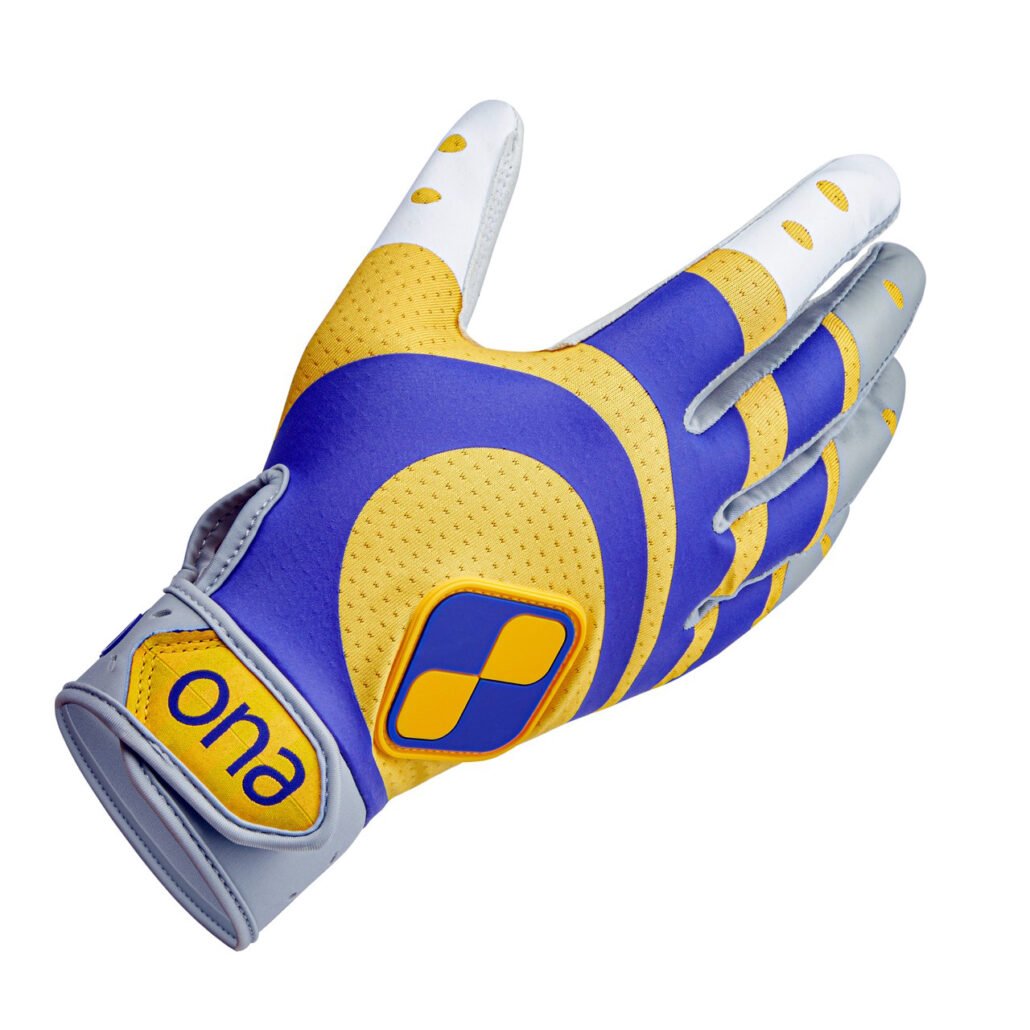

Caring for polo gloves is not a matter of elaborate ritual or costly products. It comes down to understanding that leather is a living material to be kept hydrated and cool, that salt and heat are its principal enemies, and that a few seconds of attention after each chukka accomplish more than any treatment applied in a hurry. Wipe them down, let them breathe, condition sparingly, dry them gently, store them well, and know when their working life is done. Do that, and your gloves will reward you with the grip, comfort and quiet reliability that let you forget you are wearing them at all, which is exactly what a great glove should do.