
Polo has a reputation problem. For a sport that anyone can try on a Saturday afternoon for roughly the price of a decent dinner, it carries an unusually heavy reputation for exclusivity , one that keeps a great many capable riders, and a great many curious non-riders, from ever booking a first lesson.
The reality on the ground is more welcoming than the mythology suggests. You do not need to own a horse. You do not need to ride well. You do not, on your first day, need to own a single piece of equipment. What you need is a club, an afternoon and a willingness to be a beginner in front of people who were beginners themselves not very long ago.
This guide sets out exactly what starting polo involves: how a first lesson is structured, what it genuinely costs in the United Kingdom and the United States, and which pieces of equipment matter in what order. It is written for the rider considering a change of discipline, the spectator who has watched one too many chukkas from the sidelines, and the newcomer who simply wants to know whether this is a sport they can realistically take up.
What polo asks of a beginner
Do you need to ride first?
No, and this surprises most people. The United States Polo Association is unambiguous on the point: prior riding experience is not required to learn polo, though it certainly helps. Beginner programmes across the UK say the same. Hertfordshire Polo Club’s introductory session, for instance, is advertised explicitly for those with no riding background at all.
The reason is structural. Polo schools do not teach you to ride and then teach you to play. They teach both at once, on schoolmaster ponies chosen for their patience and their willingness to do most of the thinking. You learn the polo seat , a shorter, more forward, more athletic position than the classical dressage seat , and you learn one-handed reining from the very first session, because the right hand is permanently occupied with a mallet.
Existing riders should expect an adjustment rather than an advantage. The instincts that serve you well in dressage or showjumping , a long leg, a quiet upper body, two hands on the reins , are precisely the instincts polo asks you to unlearn. Many instructors observe that a complete novice sometimes progresses faster than an experienced rider, simply because there is less to undo.
Who starts, and when
The age range is genuinely wide. Lead-line polo introduces children as young as five or six; Pony Club and interscholastic programmes carry juniors through their teens; university clubs pick players up at eighteen; and a substantial share of club membership consists of adults who started in their forties, fifties or later. The sport’s own shorthand , that you can start anywhere from seven to seventy-seven , is close enough to the truth to be useful.
Fitness expectations are moderate rather than elite. You need enough core stability to stay balanced while twisting out of the saddle, enough grip strength to hold reins and mallet through a chukka, and enough cardiovascular base to survive seven minutes of concentrated effort. Most beginners find the first two chukkas expose weaknesses in their core and forearms long before their lungs.
Your first lesson: What actually happens
Almost every reputable polo school follows the same four-stage progression, whether you are in Gloucestershire, Rhode Island or Sotogrande. Knowing the shape of the session in advance removes most of the first-day nerves.
The wooden horse
You will begin on the ground, on a life-sized wooden horse , universally nicknamed ‘Woody’ , standing inside a netted pit or boxed enclosure. Here you learn the four foundational strokes: the offside forehand and backhand, and the nearside forehand and backhand. The wooden horse does not move, does not spook and does not mind how many times you miss, which makes it the single most valuable teaching aid in the sport.
Expect to spend twenty to thirty minutes here. The swing is longer, looser and more pendulum-like than golf or hockey players anticipate; the power comes from rotation through the torso, not from the arm.
Riding, polo-style
You then mount a school pony and ride without a mallet, learning to steer and stop with the reins in the left hand alone, using neck-reining and leg. Polo ponies are trained to be exceptionally responsive to this , a well-schooled pony will turn on a shifted weight and a light neck rein long before you think you have asked.
Stick and ball
The two skills are then combined at walk and trot. ‘Stick and ball’ is the term for unstructured practice , riding at the ball and hitting it, without opposition , and it remains the backbone of practice at every level of the sport. Do not expect clean contact on your first afternoon. Expect, at best, to make contact.
Your first chukka
Many introductory sessions finish with a short, slow-paced mini-chukka, often at walk and trot only. You will be given the No. 1 position , the forward attacking role, traditionally allocated to the newest player because its job is the most intuitive: get ahead of play and be available in front of goal.
“The first lesson is not really about hitting the ball. It is about discovering that you can hold reins in one hand, a mallet in the other, and still think clearly. Everything after that is practice.” , Alejandra Falkinhoff, CEO, Ona Polo
How much does polo cost in the UK?
Costs vary considerably by club and by whether you hire ponies or bring your own. The figures below are drawn from publicly advertised 2025–2026 rates at named UK clubs and should be treated as representative ranges rather than fixed prices.
| What you’re paying for | Typical UK cost | Notes |
| Introductory lesson (2 hrs) | £120 | Includes pony, helmet and mallet , Herts Polo Club |
| Budget club/university lesson | from £35 | Horse hire included; student rates |
| Group lesson with pony hire | £140–£150 pp | Cotswold Polo Academy, 2–3 riders |
| Lesson on your own pony | £50 group / £115 private | Cotswold Polo Academy |
| Instructional chukka | £15–£60 | Lower figure excludes pony hire |
| One-day intensive course | approx. £140 | Full-day beginner format |
| HPA membership | from £120 | Tiered by handicap; day pass £35 |
| Club playing membership (premier) | £8,250–£13,000 | Cowdray Park / Guards; junior tiers far lower |
The headline figure most beginners need is the first one: roughly £120 to find out whether you enjoy the sport, with every piece of equipment supplied. The eye-watering memberships at the premier clubs are real, but they are the top of a very long ladder , and entirely optional. Regional clubs, arena venues and university programmes operate at a fraction of those figures.
One documented budget route, reported by Horse & Hound, saw a student player keep total costs to around £175 per month by owning a single horse and sharing tournament slots with another player. That places committed amateur polo in the same financial bracket as serious eventing, skiing or golf , expensive, certainly, but not the preserve of the extraordinarily wealthy.
How much does polo cost in the US?
| What you’re paying for | Typical US cost | Notes |
| Single lesson | $100 arena / $150 grass | Newport Polo, Rhode Island |
| Introductory clinic or experience | $175–$200 | Newport ‘Lunch & Learn’; Spokane intro |
| Stick-and-ball lesson package | $1,500 for 10 | Spokane Polo School |
| Horse lease per chukker | $70–$85 | Newport; Spokane trot chukkers $500 / 10 |
| Monthly club membership | $250–$550 | Often includes two lessons per month |
| Full seasonal membership | approx. $3,500 | Student rates from $500; day rates from $50 |
| USPA membership | $200 | $100 under-18/collegiate; free for active military |
| Realistic first-year total | $7,000–$17,500 | Lessons, chukkas, membership and basic kit |
Note that first-year total carefully: it assumes a genuinely committed player taking regular lessons and playing throughout a season on hired horses. A beginner testing the water with a handful of lessons will spend a small fraction of it. Many US clubs also cover a new junior or collegiate player’s first year of USPA membership entirely.
Ponies, livery and why you should not buy one yet
The single largest cost in polo is not equipment. It is horses , and specifically, keeping them. A schoolmaster or entry-level polo pony typically sells for $8,000 to $20,000; a solid club-level horse runs from $20,000 to $60,000; and high-goal horses reach well into six figures. But the purchase price is the smaller half of the equation. Full-service livery in the United States commonly runs $18,000 to $35,000 per horse per year once feed, veterinary care, farriery and insurance are included.
There is a further complication newcomers rarely anticipate. A pony may play a maximum of two non-consecutive chukkas in a match, which is why active players maintain a string of three to six horses rather than one. Buying a single horse does not, on its own, make you self-sufficient.
The recommendation is therefore straightforward and near-universal among instructors: hire or lease for at least your first full season. Clubs that supply horses have made the sport dramatically more accessible over the past two decades, and there is no stage of a beginner’s development at which ownership accelerates progress.
The cheapest ways into polo
- Arena polo , smaller field, three players a side, a larger and softer ball, boards in play, and year-round scheduling. Lower overheads make it the most affordable and most weather-reliable route into the sport.
- Horse-hire clubs , removes horse ownership from the equation entirely and lets you scale your spending session by session.
- University polo (SUPA) , in the UK, HPA club members can join the Schools & Universities Polo Association at a reduced rate, with weekly student lessons historically among the cheapest available anywhere.
- Winter arena leagues , extend play cheaply through the colder months and are where most northern-hemisphere beginners accumulate their first real match experience.
Sotogrande in southern Spain and the polo schools around Buenos Aires are both worth noting for anyone considering an intensive learning trip; both offer high-quality instruction at costs well below the UK and US equivalents.


Essential equipment: The three tiers
Beginner equipment advice tends to fail in one of two directions: either it lists everything a high-goal professional owns, or it lists nothing at all. The useful framing is sequential , what the law and the rulebook require, what you should buy once you know you are staying, and what can wait.
Tier 1, Mandatory safety equipment
Three items are compulsory under both HPA and USPA rules and must be correct before you play in any sanctioned context: a polo-specific helmet, knee guards and polo boots. Clubs supply all three for introductory lessons.
The helmet requirement is the one most often misunderstood. Since May 2021, USPA events require certification to NOCSAE ND050 , the first polo-specific helmet standard, which tests for multiple impacts from falls, mallet strikes, ball strikes and player contact. A general-purpose equestrian helmet certified to ASTM F1163 is not polo-legal under USPA rules. In the UK, the HPA requires a type-approved helmet (PAS 015:2011, VG1, EN 1384:2017/2023, NOCSAE or UTAC/CRITT) that also carries a quality-control mark such as a BSI Kitemark, SEI, Snell or INSPEC. Since 1 April 2024, type-approved helmets lacking that quality-control mark have been banned outright, regardless of when they were purchased. PAS 015:1998 and Snell E2001 are no longer accepted.
Replace a helmet every four years, and immediately after any significant impact. Never buy one second-hand. If you choose to attach a face guard, these are only legal as the manufacturer’s own authorised accessory, fitting a third-party mask voids the certification.
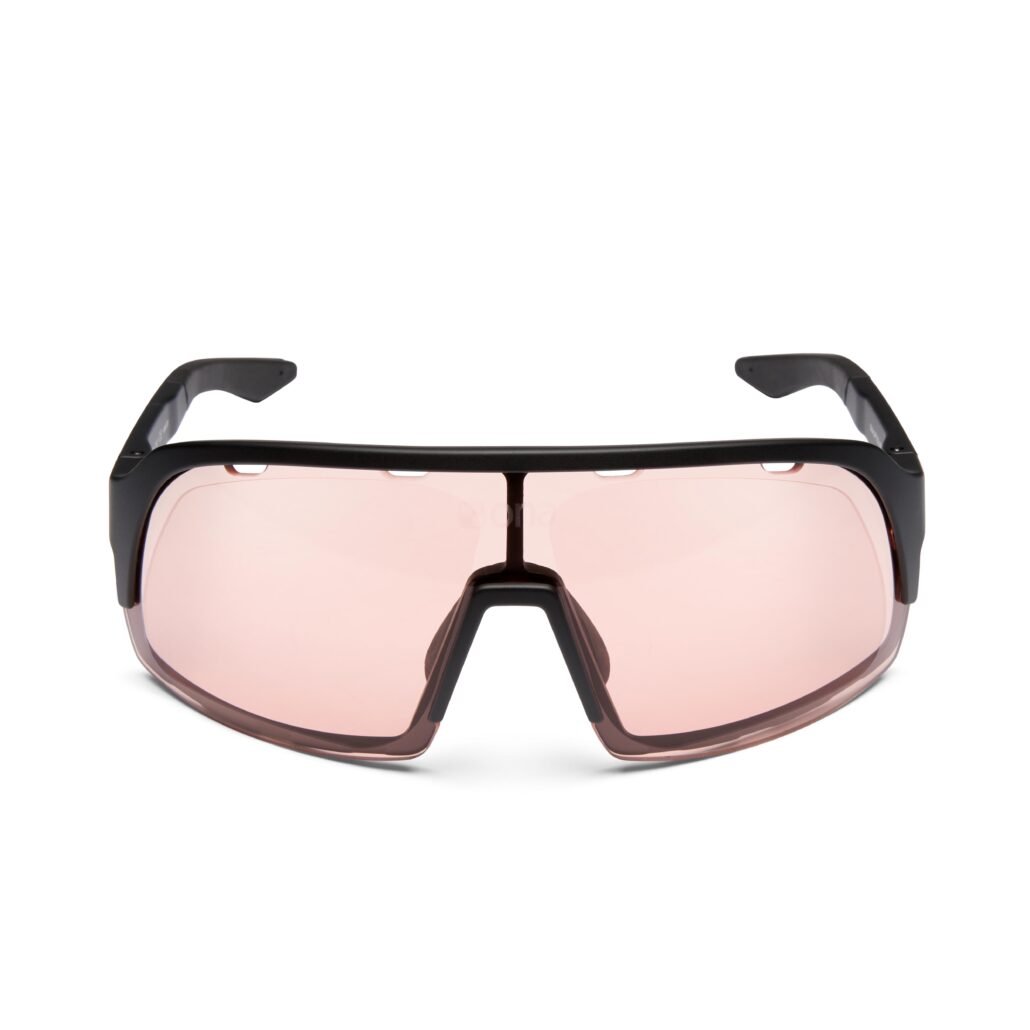
As of 2026, the HPA’s Helmet and Eye Protection Regulations make eye protection compulsory for all players, in every match, satisfied by sports glasses, goggles or a face guard. This followed a 2025 peer-reviewed study in the Postgraduate Medical Journal, which found eye injuries account for 45.5% of all polo injuries requiring hospital treatment , the highest of any body region , and explicitly recommended the change. The USPA takes a different position: eyewear is strongly encouraged for adults but not mandatory, except for all players under 18, where it is compulsory in both Outdoor and Arena rules. There is no polo-specific eyewear certification standard; instead, players should look for lenses meeting ANSI Z87.1 (the US standard) or EN 166 (the European standard) , the same general sport and safety standards purpose-built polo eyewear is built to.
Tier 2, What to buy first
Once you have decided the sport is for you , typically after three or four sessions , a small number of purchases materially improve both comfort and performance. In rough order of usefulness:
| Item | Why it matters early | Typical price |
| Polo gloves | Grip in wet conditions and mallet control; the first thing beginners notice the lack of | $25–$115 |
| Polo eyewear | Sun, dust and impact protection; mandatory under current HPA rules | $150–$350 |
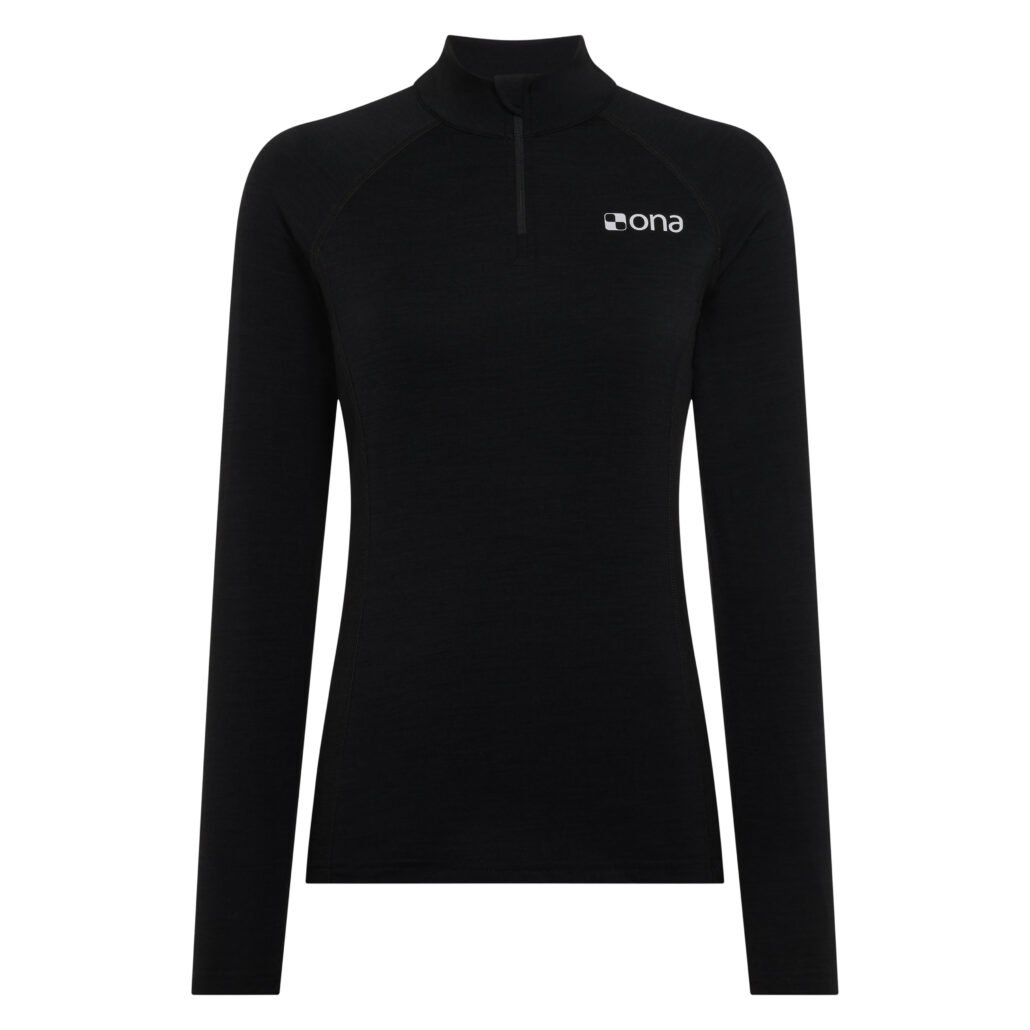
| Base layer / polo shirt | Breathability and freedom of rotation through the shoulders | $45–$120 |
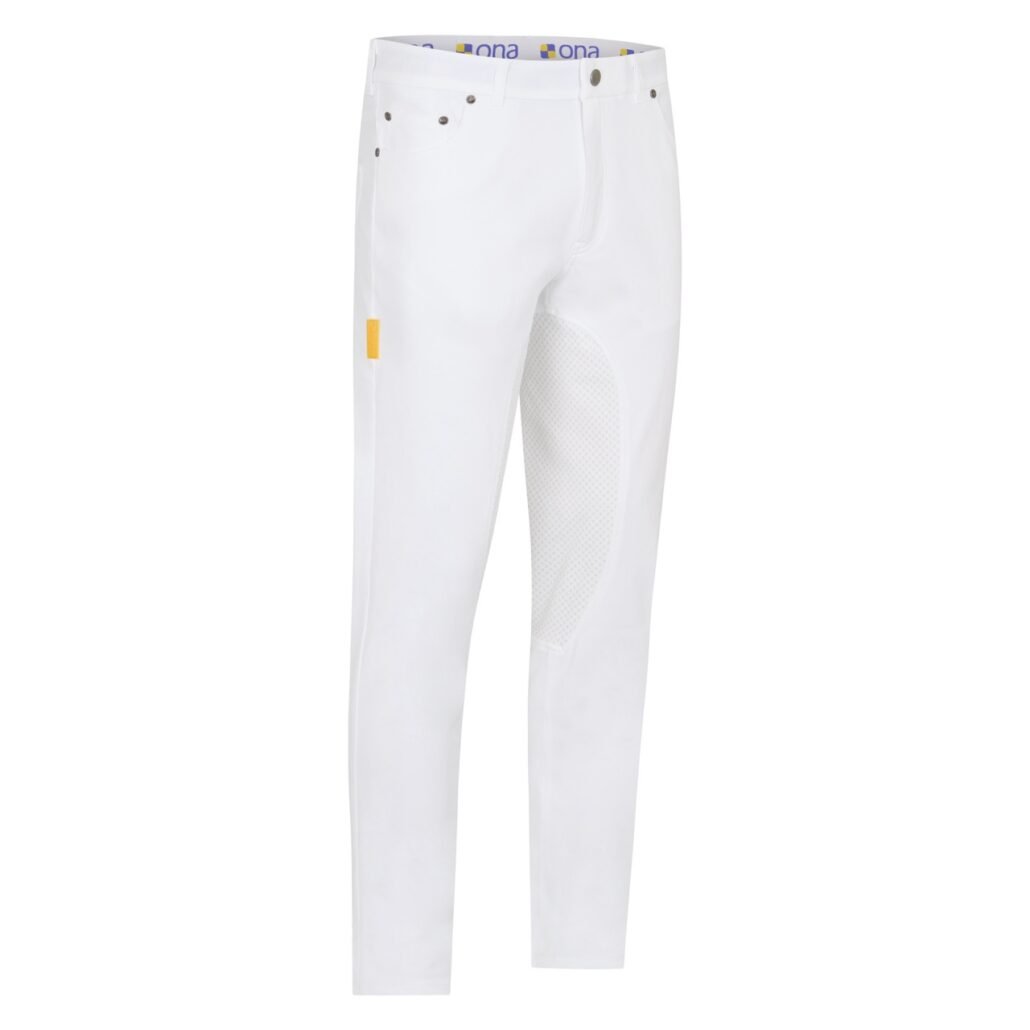
| Practice pants | Grip and durability for chukkas and stick-and-ball, in wear-hiding colours | $120–$350 |
| Elbow pads | Impact protection for the sport’s most-injured region | $70–$160 |
| Polo whites | Required for tournament and match play under both HPA and USPA dress codes | $120–$350 |
Tier 3, What can wait
Your own saddle, your own set of mallets, bespoke boots and , last of all , your own pony. None of these will improve a beginner’s play, and all of them are significantly better bought once you know your own preferences. A saddle in particular should be bought only after you have ridden in several.
Gloves: The most underrated purchase in polo
Polo gloves are frequently the first item a beginner buys, and for good reason: the difference between the right glove and a general-purpose riding glove becomes obvious within a single wet chukka.
The distinction is functional. Because all polo is played right-handed without exception, the two hands do entirely different jobs. The left hand carries the reins alone, managing direction and pace through neck-reining. The right drives the mallet through a fast, forceful rotational swing. A well-designed polo glove acknowledges that asymmetry , reinforcement across the right palm and thumb where the mallet grip loads, and friction management on the left where the reins run.
The second distinction is weather. Polo does not stop for rain, and wet leather reins are unforgiving. Grip performance in wet conditions is therefore the primary quality marker, which is why specialist polo gloves use cabretta leather, water-resistant treated leathers such as Pittards WR100X, or engineered synthetic suedes rather than conventional dress-glove leather. Premium models add carbon-fibre knuckle inserts for protection against mallet and ball contact.
Fit and care
- Measure the girth of your hand around the knuckles, excluding the thumb, and match to the manufacturer’s sizing rather than assuming your usual size.
- A polo glove should fit like a second skin. Loose gloves rotate on the hand and cost you feel through the reins; overly tight gloves fatigue the forearm.
- Rinse and air-dry leather gloves after wet play , never on a radiator, which hardens the leather permanently.
- Buy two pairs before your first tournament season. A soaked pair does not dry between chukkas.
“Riders arrive expecting the glove to be about protection. It is really about information , how much of the horse’s mouth you can feel through a wet rein, and how precisely you can place the mallet head. Fit determines both.” , Alejandra Falkinhoff, CEO, Ona Polo
Eyewear: Not a style decision
Polo eyewear is one of the few areas where the aesthetic and the functional arguments point in exactly the same direction, and it is worth being clear about the functional one. A polo ball can reach speeds of around 110 mph in play. Sun glare across an open ten-acre field, dust thrown up by seven other horses, and the wind of a full gallop all degrade vision at precisely the moments when tracking the ball matters most.
Ordinary fashion sunglasses are actively hazardous here: a lens that shatters on impact becomes a second injury. Polo-appropriate eyewear uses impact-rated polycarbonate lenses, full UV protection, a close wraparound fit that keeps dust out at speed, increase peripheral vision, secure retention, and ventilation to prevent fogging during exertion.
The regulatory position has tightened. Under the current HPA rulebook, eye protection is mandatory for all players and may be satisfied by sports glasses, goggles or a face guard. The USPA mandates eye protection for players under eighteen and strongly recommends it for adults.
“I’ve had players call me after taking a ball or mallet strike to the face and tell me their eyewear saved their eye. That’s not a sales line , it’s backed by the data too: eye injuries are the single biggest reason a polo player ends up in hospital. Realistically, most people keep wearing what they’re used to, and price and brand usually decide it before safety does, that’s just how people buy. But it’s worth actually checking that whatever’s on your face is fit for purpose, not just familiar.”, Alejandra Falkinhoff, CEO, Ona Polo
Whites, practice pants and team shirts
Polo whites are the sport’s most recognisable convention and it’s most commonly misunderstood one. Whites are required for matches and tournaments under both HPA and USPA dress codes , but they are not required for lessons, practice or informal chukkas. Beginners can and should learn in jeans or practice pants. Nobody at a polo school expects a first-timer to arrive in whites, and doing so tends to mark you out rather than blend you in.
Construction matters more than colour. Traditional whites are heavyweight white cotton denim: durable, classic, and unforgiving in heat. Contemporary performance whites use bi-elastic softshell fabrics such as Schoeller, often with a transparent non-slip coating across the inner thigh and abductor panels to improve lateral grip during ride-offs. The practical difference over six chukkas in midsummer is considerable.
Practice pants are the same garment in navy, black or grey , identical construction, colours chosen to hide the grass, dust and hoof-thrown dirt that ruin whites within a season. Most players own one pair of whites and several pairs of practice pants, not the other way round.
Team shirts are numbered 1 to 4 by playing position and should be breathable and quick-drying with genuine freedom of rotation through the shoulders. Clubs frequently lend shirts for casual chukkas; regular match players need their own set in club colours.
“Whites are for match days. Practice pants are for the other six days of the week , and they are the garment that actually determines whether your last chukka feels like your first.”, Alejandra Falkinhoff, CEO, Ona Polo
Elbow Pads: The injury data argument
Elbow guards are the piece of kit most beginners skip and most experienced players wish they had adopted sooner. The evidence supports the experienced players. A peer-reviewed study of traumatic injuries in polo, published in the Postgraduate Medical Journal and covering 236 players across 26 English clubs between 2018 and 2024, found that limb injuries , arm, hand, leg, wrist and shoulder, accounted for 47.9% of all injuries recorded, with head and facial injuries a further 38.6%.
Elbow guards are recommended rather than mandated by the HPA, and the USPA rules are silent on them. They are nonetheless becoming standard equipment at club level, particularly in arena polo where boards and close contact make incidental collisions more frequent.
Look for a pre-curved ergonomic shell , Kevlar with a neoprene cover is the common specification , with two elastic straps and genuine sizing rather than one-size fitting. The most common complaint from new users is stiffness in the first session, which resolves as the elbow guards moulds. Persist past it.
“Nobody puts elbow guards on because they enjoy wearing them. They put them on because of one specific afternoon they remember, or because a teammate had one. The injury figures suggest it is better not to wait for your own.”, Alejandra Falkinhoff, CEO, Ona Polo
The polo saddle explained
If you ride in another discipline and intend to bring your own tack, this is the section that matters most: a polo saddle is not a cosmetic variation on a general-purpose English saddle. It is engineered for a fundamentally different set of movements.
What makes a polo saddle different
- A flat, open seat , nothing under the seat obstructs movement, so the rider can shift weight freely and rise to strike.
- Long, near-straight flaps with little or no knee roll , critically, these allow the leg to move and the torso to rotate. Knee rolls on a jumping or general-purpose saddle physically block the swing and clash with knee guards.
- Reinforced construction , reinforced girth points, a stronger tree and heavy-duty stitching, because ride-offs load the saddle laterally in ways no other discipline does.
- A double girth plus overgirth , both to secure the saddle under extreme lateral force.
- Altered profile , a higher pommel and lower cantle, giving security without restricting the backward reach needed for a nearside backhand.
The result is a saddle that lets a player lean well out of the tack to strike on either side of the horse, at speed, while remaining secure through turns and shoulder-to-shoulder contact , and one that is noticeably lighter than the equivalent general-purpose saddle.
Buying guidance
Buy the fit, not the badge. A polo saddle must fit the horse’s back and the rider’s seat, and no reputation compensates for a saddle that fits neither. Try several before committing, budget for a professional fitting, and check whether girth, leathers and irons are included in the quoted price , frequently they are not. Both new and used markets are healthy.
One genuine advantage worth knowing: because a polo saddle is essentially a robust close-contact saddle, it doubles perfectly well for schooling, hacking and low-level jumping. For a rider splitting time between disciplines, that makes it considerably less of a single-purpose investment than it first appears.
“A polo saddle has to do two contradictory things: hold you absolutely secure through a ride-off, and then get completely out of your way when you need to reach for a nearside backhand. Everything in the design , the flat seat, the straight flap, the reinforced tree , comes back to that tension.”, Alejandra Falkinhoff, CEO, Ona Polo
Mallets: How length is chosen
Mallets are chosen by the height of the pony, not the height of the rider, which catches out almost every newcomer. Lengths run from 49 to 54 inches. A 51-inch mallet suits a pony of around 15 to 15.1 hands; 52 inches is the single most popular length because it fits the majority of polo ponies; 53 inches suits 15.3 to 16 hands. Shorter mallets are used for children and for foot polo.
Shafts are traditionally made from cane or bamboo , Indonesian manau is regarded as the finest , or from modern fibrecane and composite materials. Heads are typically tipa hardwood, weighing between 160 and 240 grams, with a complete mallet running roughly 485 to 565 grams. ‘Whippiness’, the degree of flex in the shaft, is a matter of personal preference that most players only develop a view on after a season or two.
Two rules of practical importance. First, polo is played right-handed only; left-handed play is not permitted, for the straightforward safety reason that it would create head-on collisions on the line of the ball. Second, buy two mallets before your first season, because they break.
The rules a beginner genuinely needs
The line of the ball
Everything in polo’s rulebook flows from one concept. The line of the ball is the imaginary line along which the ball travels after it is struck. The player following that line has right of way, and no opponent may cross it dangerously in front of them. This is not a technicality , it is the primary collision-avoidance mechanism protecting horses travelling at speed, and it is the rule beginners are assessed on first.
Ride-offs and hooking
A ride-off is a legal shoulder-to-shoulder push of one pony against another to move an opponent off the line. The angle must be shallow , under roughly 45 degrees , and the contact must come from the horse and the rider’s body weight, never from the elbow.
Hooking means blocking an opponent’s mallet with your own. It is legal only from the ball side of the opponent’s pony and only below shoulder height. Reaching across a pony to hook , a cross-hook , is a foul, and a dangerous one.
Fouls, penalties and restarts
Fouls are penalised with free hits taken from 30, 40 or 60 yards depending on severity, escalating to an awarded penalty goal for the most serious. Play begins and restarts with the umpire bowling the ball in between the two lined-up teams. When the ball crosses the back line, the defending team takes a knock-in.
Chukkas, handicaps and positions
How a match is structured
A match consists of four to six chukkas , four in low goal, five in medium, six in high goal, eight in Argentina, and typically four in arena polo. A chukka runs seven minutes in the UK and in US grass polo, with three-minute intervals between them and a longer half-time break of five to ten minutes.
A bell marks the end of each period, after which play continues for roughly thirty seconds until a second bell or until the ball goes out of play , except in the final chukka, which stops on the first bell. Teams change ends after every goal, a convention designed to neutralise any advantage from wind or sun. At half-time, spectators are invited onto the field to stamp down the divots thrown up by the ponies, which remains one of the sport’s most enjoyable social rituals.
Understanding handicaps
Players are rated in ‘goals’ from -2 to 10. Counter-intuitively for anyone familiar with golf, higher is better. The rating measures a player’s overall value to a team , horsemanship, hitting, tactical sense, string of ponies , not the number of goals they score. A team’s handicap is the sum of its four players’ ratings, which is how tournaments are graded: low goal at 8 goals and below, medium goal at 12 to 15, and high goal at 18 and above.
UK beginners typically start with an ‘S’ for Starter, progressing to -2 after passing a short written test on rules and safety. Handicaps are reviewed once or twice a year by HPA and USPA committees. For scale: as of 2025 only eight players worldwide held a 10-goal handicap.
Positions 1 to 4
- No. 1 , the attacker and principal goal-scorer; the position beginners are given.
- No. 2 , the attacking hustler, working hard to disrupt and to feed the No. 1.
- No. 3 , the pivot and playmaker, usually the strongest player on the team.
- No. 4 , the back, the defensive anchor who clears the ball and covers the goal.
Arena polo vs grass polo
| Grass polo | Arena polo | |
| Field | 300 × 160 yards | 300 × 150 feet |
| Players per team | 4 | 3 |
| Ball | Wood or Hard plastic, approx. 3–3.5 inches | Larger, softer, inflatable |
| Boards | Optional side boards | Walls in play , part of the game |
| Season | Summer | Year-round |
| Relative cost | Higher | Notably lower |
| Best for | Match-day spectacle and tournaments | Learning, practice, winter play |
For a beginner, arena polo is almost always the better starting point. The confined space means more ball contact per session, the softer ball is more forgiving of imperfect technique, and the year-round schedule means you do not lose momentum over the winter.
Etiquette: What to wear and how to behave
- Whites for matches and tournaments. Jeans or practice pants for lessons and informal chukkas. Do not overdress for your first lesson.
- Spectators dress smart-casual to dressy depending on the fixture; Sunday high-goal is a considerably more formal affair than a Wednesday club chukka.
- Only the team captain addresses the umpire. This is observed strictly.
- Join the divot stamping at half-time. It is genuinely useful, and it is the easiest way for a newcomer to meet people at a club.
- Thank the grooms. They have done more work than anyone on the field, and the polo community notices whether you acknowledge it.
A realistic first season
If you want a concrete plan rather than a list of options, this sequence reflects how most successful beginners actually progress:
- Weeks 1–2: Book a single introductory lesson at a club within reasonable travelling distance. Spend nothing else. £120 in the UK, roughly $100 to $175 in the US.
- Weeks 3–8: If you enjoyed it, commit to a block of four to six lessons. Buy gloves and eyewear , the two items that improve your experience immediately.
- Months 3–5: Join a club at the lowest playing tier and start instructional chukkas. Add practice pants and elbow guards. Take the written test for your starter handicap.
- Months 6–12: Play regularly on hired horses. Buy whites when you enter your first tournament. Consider your own saddle only once you have ridden in several.
- Year 2: Now , and only now , is the conversation about leasing or buying a pony worth having.
Frequently asked questions
Do you need to know how to ride before playing polo?
No. Most polo schools accept complete beginners and teach riding and hitting together on trained school ponies. Prior riding experience helps but is not a requirement, and existing riders often need to unlearn habits from other disciplines, particularly two-handed reining and a long, still leg position.
How much does a polo lesson cost?
In the UK, an introductory two-hour lesson is typically around £120 including pony, helmet and mallet, with budget and student rates from about £35. In the US, single lessons commonly run $100 for arena and $150 for grass, with introductory clinics between $175 and $200.
How long is a chukka?
A chukka lasts seven minutes in the UK and in US grass polo. Matches consist of four to six chukkas depending on the level, with three-minute intervals between them and a longer half-time break.
What equipment do I need for my first polo lesson?
Nothing. A reputable polo school provides the pony, a certified helmet and a mallet, and will usually lend boots and knee guards. Wear comfortable trousers you can move in and boots with a small heel if you own them.
What is a polo handicap?
A handicap rates a player’s overall value to a team on a scale from -2 to 10 goals, where higher is better. It reflects horsemanship, hitting and tactical judgement rather than goals scored. Beginners in the UK start at ‘S’ for Starter before being rated -2.
Why are polo gloves different from riding gloves?
Because polo is played right-handed only, each hand does a different job: the left manages reins alone while the right drives the mallet. Polo gloves are reinforced asymmetrically and prioritise wet-weather grip, since play continues in rain when leather reins become slippery.
Can you use a normal English saddle for polo?
Not well. General-purpose and jumping saddles have knee rolls and blocks that physically obstruct the torso rotation a polo swing requires, and they clash with mandatory knee guards. A polo saddle uses a flat seat and long, straight flaps to allow free movement and reaching out of the tack.
Is polo expensive to start?
Trying polo is not. A first lesson costs around £120 in the UK or $100 to $200 in the US with all equipment supplied. Costs escalate with commitment: a full first year of regular play on hired horses in the US typically runs $7,000 to $17,500, while pony ownership adds substantially more.
What is the difference between arena polo and grass polo?
Arena polo is played three a side on a 300 by 150 foot enclosed surface with a larger, softer ball and the walls in play. Grass polo is played four a side on a 300 by 160 yard field with a hard ball. Arena polo is cheaper, runs year-round and is generally the better entry point.
How many horses do polo players need?
Active players keep a string of three to six ponies, because a single pony may play a maximum of two non-consecutive chukkas in a match. Beginners do not need any: clubs that hire horses make the sport accessible without ownership.
Do you have to wear white to play polo?
Only for matches and tournaments, where both HPA and USPA dress codes require whites. Lessons, stick-and-ball sessions and informal chukkas are played in practice pants or jeans, and beginners are not expected to own whites.
At what age can you start playing polo?
From about five or six for lead-line polo, through Pony Club and interscholastic programmes for juniors, university clubs at eighteen, and adult beginner programmes with no upper limit. A substantial share of club players start in their forties or later.
Polo rewards patience in an unusual way. The barrier to trying it is far lower than its reputation implies , an afternoon, a modest fee, and a club that will hand you everything you need. The barrier to mastering it is genuinely high, because you are learning two demanding skills simultaneously and one of them involves a partner with opinions of their own.
What separates the beginners who stay from those who drift away is rarely talent and rarely money. It is usually sequencing: starting in the arena rather than waiting for a grass season, hiring rather than buying, buying gloves and eyewear before whites, and accepting a full season of being the worst player on the field before it starts to come together.
Book the introductory lesson. Everything else, the equipment, the handicap, the question of horses, resolves itself in order, and none of it needs deciding today.