
In a polo kit bag, the gloves get the hardest use. Through every chukka they carry the reins in your left hand and the mallet in your right, and they take sweat, rain, friction and the occasional hard knock. Yet many players still pick a pair on colour or habit. The market for polo gloves is now much more specialised than it was twenty years ago. You can choose textured technical leathers or hydrophobic microfibres, and you can have carbon-fibre knuckle shells or bare-minimum gloves built for feel.
This guide compares the established polo glove brands on what matters on the field:
- materials
- grip technology
- protection
- weather performance
- fit
- price
- the kind of player each brand suits best
It is written for anyone choosing their first pair before a club chukka and for experienced players matching gloves to a high-goal season. It aims to give you the knowledge to choose well, not to push one answer.
Why polo players wear gloves: the job description
The mallet hand and the rein hand do different work
Polo is played right-handed, so the left hand holds the reins and the right hand swings the mallet. Each hand loads a glove differently, and the best polo gloves are not simply mirror images of each other:
- The mallet (off-side) hand needs the most grip and the most protection. The grip has to survive full swings at a gallop. The protection is for the knuckles, index finger and thumb, which are exposed in ride-offs, hooks and stray mallet contact.
- The rein (near-side) hand needs friction where the reins run between the fingers, but it also needs enough sensitivity to pass subtle aids to the pony. Several brands add reinforcement between the fingers of the left glove for this reason.
One glove or a pair?
Some players wear only a right-hand glove to keep bare-hand feel on the reins. Most wear a pair, and a pair is standard at competitive and high-goal level. Many brands sell single right-hand gloves, including Ona, Franklin, SSG, Prisa, Hook and Krono. This suits players who wear out the mallet hand faster, and those who like a different glove on each hand.
Are polo gloves compulsory?
The Hurlingham Polo Association’s rules make protective headgear with a fastened chinstrap or harness, polo boots, protective kneepads and goggles compulsory during play, while goggles, elbow pads and gum shields have historically been recommended rather than required. Gloves are not listed as compulsory, but nearly every player wears them. They prevent blisters and rein burns and protect the hand, and in wet weather they can decide whether you keep hold of the mallet.
“Players often think of gloves as an accessory, but they are the only thing between you and both of your controls: the mallet and the pony. If you’re new to the game, choose your gloves with the same care you’d give your whites or your eyewear.” – Alejandra Falkinhoff, founder and CEO, Ona Polo
What separates one polo glove from another
Leather: cabretta, goatskin, sheepskin and technical tannages
Leather is still the reference material for feel. The brands in this comparison use several types:
- Cabretta (hair-sheep leather). Franklin builds its Pro Classic from it, and Ona describes the Carbon Pro V2 palm as cabretta textured leather.
- Goatskin. Heritage, Krono’s Dry High Goal and Casablanca’s Bionic all use it.
- Sheepskin. Casablanca’s Performance Polo Glove uses it.
- Pittards technical leathers. Ona, Franklin, Hook Polo and earlier Casablanca models use them. Pittards has tanned in Yeovil, England, since 1826; its WR100X technology bonds water and perspiration resistance through the structure of the leather, which is itself graded hair-sheep (cabretta).
Leather moulds to the hand over time, which is why many players size leather gloves snugly.
Synthetic suedes and microfibres
Synthetic palms are lighter, quicker to dry and usually easier to wash. Examples include:
- Ona’s StormSuedeÔ (a hydrophobic Japanese microfibre) and its eco microfibre EcoGrip
- Krono’s HurricaneSuede
- SSG’s Digi Grip
- Roeckl’s Roeck-Grip
- MacWet’s Aquatec
Their main strength is grip in wet conditions. Several are built to grip better when damp, which leather finds hard to match on a sodden English afternoon.
Grip technologies
Most brands now add texture to the palm. Examples are Ona’s Gripster (described by Ona as a microscopic grip-enhancing material built into the leather surface), Franklin’s and Hook’s “digital” textured leathers, Heritage’s “tackified” goatskin, and the silicone prints of riding-glove makers. The real question is how well the grip lasts. Ona argues that a texture built into the leather wears better than a surface coating. That is a manufacturer’s claim, but it is the right question to ask of any brand.
Protection: from neoprene to carbon fibre
Protection comes in tiers:
- None or minimal. Pure feel gloves, such as Ona’s Speed XT, classic Franklin and Prisa Shizo.
- Soft padding, Heritage’s moulded liteprene knuckles and rubber finger pads, SSG’s gel pad on the back of the mallet hand, and Ona’s TPU-moulded Power.
- Rigid carbon inserts. Ona’s Carbon Pro V2 (knuckles, index finger and back of thumb) and La Martina’s Evo Tech (carbon-fibre knuckle).
More protection usually means slightly less flexibility. For that reason, some high-goal players keep a protective glove for matches and a lighter one for stick-and-ball.
Closure and cuff
Almost every polo glove closes with hook-and-loop at the wrist. The details vary:
- Krono uses a double Velcro closure.
- Casablanca’s Performance glove extends the cuff and reinforces it to reduce fatigue.
- Ona uses what it calls an “inverse closure mechanism”, designed to maximise grip control.
Try the closure with your mallet strap on. A bulky cuff can foul the thong.
Polo glove brands compared
Ona Polo (UK / Argentina)
Heritage. Ona is the brand name of The Argentine Trading Company Ltd, founded in London in 2000 to import Argentine equestrian equipment. It became a specialist polo brand in 2002. Its first product was the Ona Polo Dura Grip glove, launched for the 2003 UK high-goal season. That same year Indios Chapaleufu I and II wore it at the 110th Argentine Open in Palermo, and Indios Chapaleufu II won the 111th Open in it the following season.
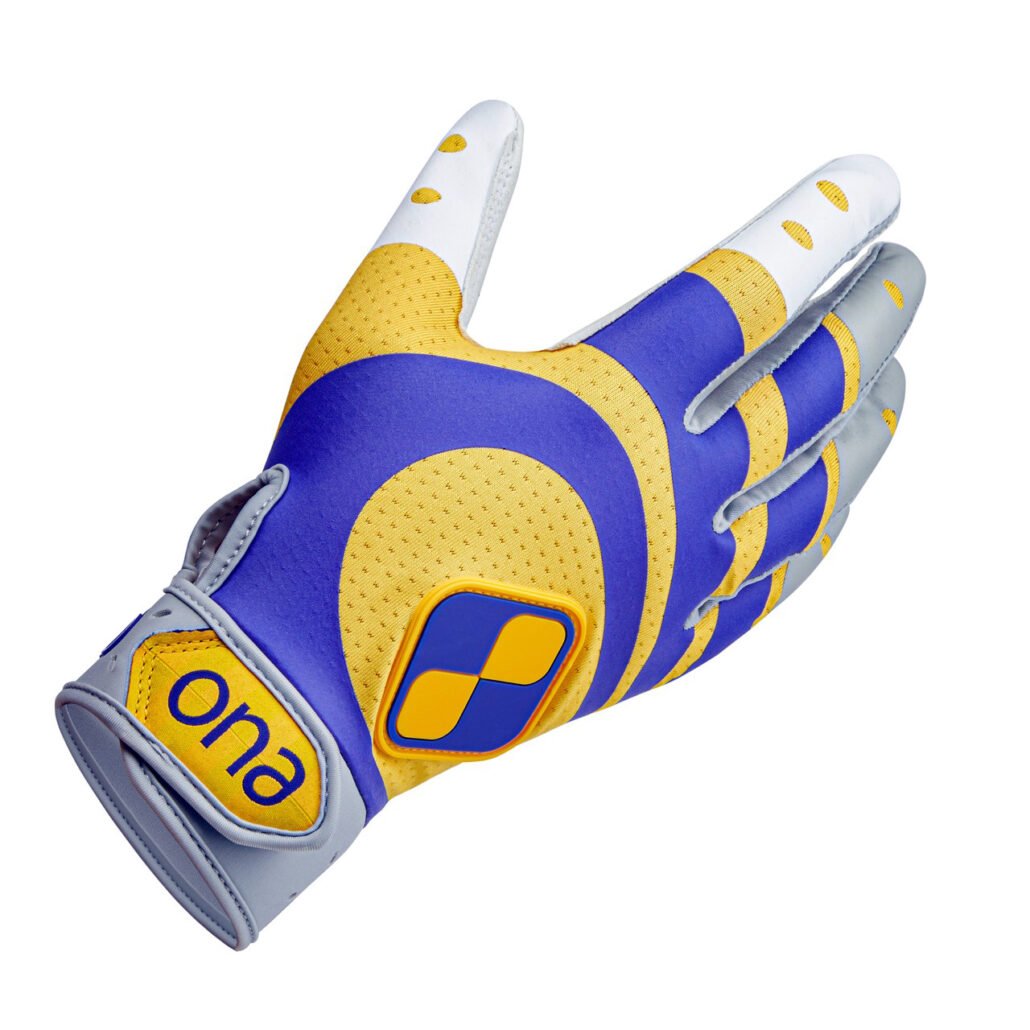
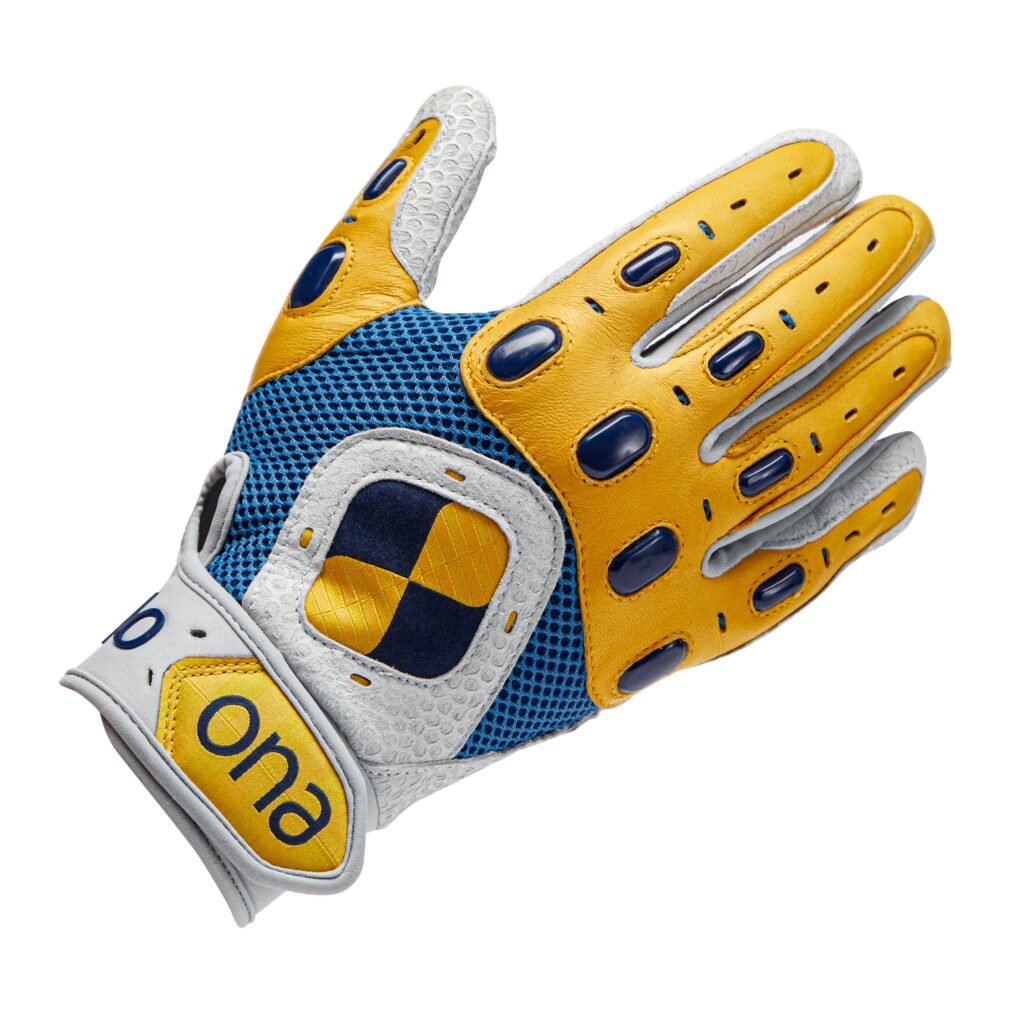
The range. Ona is the only brand in this comparison to offer six distinct glove lines built for polo, each aimed at a different priority:
| Ona model | Construction | Protection | Weather focus | Price (pair) |
| Carbon Pro V2 | Cabretta/Pittards leather with Gripster texture; Performance Air Mesh back | Carbon inserts on knuckles, index finger and back of thumb; TPU padding | Water-repellent leather | £148 / $194 |
| Power | Pittards textured leather with Gripster | Moulded TPU knuckle guards and finger padding | Water-repellent leather | £136 / $180 |
| Speed XT | Pittards textured leather with Gripster; wrap-around, minimal-seam construction | Minimal: built for feel | Water-repellent leather | £86 / $112 (right hand from £48 / $60) |
| All Weather V2 | Smooth leather with peccary embossing; WR100X hydrophobic coating | Standard | All conditions | £70 / $92 |
| All Weather Storm | StormSuede hydrophobic Japanese microfibre; 3-D patterning | Standard | Heavy, sustained rain | £70 / $92 (single from £38 / $46) |
| EcoGrip | Eco microfibre from sustainable fibres | Standard | Designed to excel in wet conditions | £48 / $58 |
Fit and care. Ona sizes run from XS to XXL across the range, although the Speed XT Pink comes in XS–L. Ona advises that most players find it easier to size up in the Carbon Pro V2 because of the rigid carbon knuckle. According to Ona, its leather gloves typically last a full season with proper care, and its synthetics can last longer in harsh conditions.
Best for. Players who want to match a glove to conditions and protection level within one system: the Carbon Pro V2 or Power for competitive and high-goal play, the Speed XT for players who want feel, and the Storm or All Weather V2 for humid or wet weather conditions. The EcoGrip offers an affordable way into technical polo gloves.
“We’ve never believed one glove can do everything. The glove that’s right for a dry afternoon in Palermo is not the glove you want for a wet Sunday in Sussex. That’s why our range covers protection, feel and weather separately, so players can build a pair of gloves around how and where they actually play.” – Alejandra Falkinhoff, founder and CEO, Ona Polo



Casablanca Polo
What they make. Casablanca is a polo outfitter with a broad on-field range. Its current Performance Polo Glove was made in partnership with what the brand calls a top sporting glove manufacturer. Features:
- 100% sheepskin leather
- Coolmax fabric for breathability
- an extended, reinforced cuff
- reinforcement on the rein hand
- eight sizes from XXXS to XXL and eight colours
Casablanca also offers the Bionic Polo Glove in premium goatskin. It has patented anatomical relief pads, which the brand says reduce pressure, fatigue and the friction that causes blisters, plus pre-rotated fingers. Earlier Casablanca gloves used Pittards WRX100 leather on the palm and thumb.
Price. Performance Polo Glove $78; Bionic $85. An earlier Casablanca glove was listed at £75.
Best for. Players who want a breathable leather glove with a long, supportive cuff, and team players who want a wide choice of colours.
Krono Polo (UK)
Heritage. Krono is a British brand founded in 2018 by Camila Mejia Posada, who drew on engineering and fashion-design training. Gloves were its first product. The brand is now owned by Celio Garcera.
What they make. Krono’s range is organised by weather:
- Dry High Goal Polo Gloves. White goat leather, washable, intended for dry and sunny conditions. $80.
- High Goal Polo Gloves. Premium suede leather reinforced with HurricaneSuede fabric, marketed as all-weather. Special editions such as the Pink Edition are $75.
- Classic Krono Polo Gloves. Stretchy synthetic suede with double Velcro closure. £39 at UK retail. A single right-hand High Goal glove is listed at $45.
Best for. Players who like to switch between a dry-weather leather glove and an all-weather synthetic, and who want carbon protection at a moderate price.
La Martina (Argentina)
What they make. The Argentine polo house, founded in Buenos Aires in 1985 by Lando Simonetti, sells polo gloves through its technical division:
- Men’s Tech Gloves. Seamless palm for a wrinkle-free fit, chemically treated leather for strength and durability, and sewing that follows the hand’s natural contours.
- Men’s Evo Tech Gloves. The same construction plus La Martina’s carbon-fibre knuckle design.
Price. On La Martina’s UK technical store, the Evo Tech regular price is £85 and the Tech glove £60 (both were on sale at the time of research).
Best for. Players who want a leather glove from a heritage polo house, with knuckle protection on the Evo Tech.
Franklin
What they make. Franklin is one of the most widely stocked polo gloves in North America:
- Pro Classic. Durable cabretta leather with a digitally etched pattern for a firm grip, double-knit spandex finger gussets and Velcro closure. About $55 a pair or $28 for a right hand at US retail.
- Carbon Fibre Pro. Pittards leather infused with what Franklin calls carbon-fibre technology for grip and durability, with a seamless palm. About $47.
- Protector Carbon. About $60.
- A youth pair.
Best for. Value-minded club and arena players, juniors, and anyone who wants a proven, simple leather glove.
Heritage Performance Gloves (US)
What they make. The Polo Pro Glove is one of the most asymmetric designs on the market:
- tackified digital goatskin palm
- moulded liteprene padded knuckles and injection-moulded rubber finger pads
- breathable mesh and a liteprene cuff for wrist support
- extra reinforcement on the thumb, index finger and palm
- reinforcement between the fingers of the left hand for the reins
- double-stitched critical seams
Sizes run from 6 to 12, and the price is about $45–46. Heritage also makes a simpler Tackified Polo Glove at about $34–37.
Best for. Budget-conscious players who still want some knuckle padding, and players who like a clearly different rein-hand glove.
SSG (Digital Pro-Tec 9700)
What they make. The breathable Digital Pro-Tec has a palm of SSG’s exclusive Digi Grip synthetic leather (80% polyurethane, 20% nylon), which SSG says is more durable than leather. There is a protective gel pad over the back of the hand and fingers on the mallet hand. It is washable in cool water and sold as a pair or as a single right hand, in sizes 7–11.
Price. US retailers list pairs from about $22 to $58 and right hands at about $22–$42.
Best for. Beginners, riding schools and arena players who want a washable, inexpensive glove with some padding.
Prisa Polo (Shizo A20)
What they make. The Shizo A20 combines a supple leather palm with Hydrowick stretch fabric for flexibility and comfort, and closes with hook-and-loop at the wrist.
Price. $70 a pair or $40 for a right hand from Prisa; in the UK, an RRP of £65 a pair and £35 for a single right hand.
Best for. Players who want an uncomplicated, flexible leather-palm glove.
Hook Polo (UK)
What they make. Hook’s “Originals” are white leather all-weather gloves with:
- a digitally textured pearl-white leather palm
- performance spandex across the knuckles and between the fingers
- reinforced left-hand middle and index fingers to absorb rein friction
- double-layer padding
- bold prints such as Crocodile and Jungle Leaf
A separate Pittards W100X range uses 0.65–0.70 mm leather with neoprene knuckle protection and is listed at £50 a pair.
Price. Originals have a regular price of about $55–56 (often discounted); UK retailers list them at about £30–£32.50.
Best for. Arena and university players, juniors, and anyone who wants personality without a premium price.
Roeckl Sports (Germany): a riding-glove crossover
What they make. Roeckl traces its history to 1839, when Jakob Roeckl opened his first glove store in Munich; today it is one of the most respected riding-glove makers. Its best-known model, the Roeck-Grip, uses a breathable, elastic synthetic suede, is sewn to a very fine seam tolerance and is machine-washable at 30°C. Typical prices are $69.95 in the US and about £33–36 RRP in the UK.
Polo relevance. Roeckl has made a polo-specific model, the Polo Duradero (3304-819), with silicone-coated synthetic suede for grip on reins and stick, Kevlar trims and seamless padding at the thumb crotch. However, we could not confirm it is currently available in the UK or US. Riding gloves like the Roeck-Grip give superb rein feel, but they are not built for mallet impact or for the specific wear pattern of a polo grip.
Best for. The rein hand of players who want maximum sensitivity, and grooms exercising strings.
MacWet: the wet-grip specialist
What they make. MacWet’s gloves use Aquatec fabric on the palm, which disperses moisture to keep grip in wet or humid conditions, and the brand lists polo among the equestrian sports it serves. MacWet itself stresses that the gloves are not waterproof: they are designed to grip when wet. The brand says authentic gloves generally retail at £34.99.
Best for. Wet-weather stick-and-ball, grooms, and players who want a light, washable glove. They are not a substitute for a protective mallet-hand glove in matches.
“There are good gloves made by several brands, and players should feel free to compare. My advice is always to look past the logo at three things: what the palm is made of, where the protection sits, and how the glove behaves when it’s wet. Those three details tell you far more than the price tag.” – Alejandra Falkinhoff, founder and CEO, Ona Polo
Polo glove brands: comparison table
| Brand (key model) | Palm material | Grip technology | Protection | Weather | Price (pair) | Best for |
| Ona Polo (Carbon Pro V2, Power, Speed XT, All Weather V2, Storm, EcoGrip) | Pittards/cabretta textured leather; hydrophobic-coated leather; StormSuede and eco microfibres | Gripster textured leather; StormSuede wet grip; inverse closure | Carbon + TPU (Carbon Pro V2); TPU (Power); minimal (Speed XT) | Model-specific: dedicated rain glove and all-weather leather | £48–£148 / $58–$194 | Beginner to high-goal; matching gloves to conditions |
| Casablanca (Performance, Bionic) | Sheepskin; goatskin (Bionic) | Rein-hand reinforcement; relief pads (Bionic) | Reinforced cuff; relief pads | Coolmax ventilation | $78–$85 | Breathability, wrist support, team colours |
| Krono (Dry High Goal, High Goal | Goat leather; suede + HurricaneSuede; synthetic suede | Textured suede; double Velcro | Separate dry and all-weather models | ~£39 (Classic) / $75–$100 | Switching gloves by weather | |
| La Martina (Tech, Evo Tech) | Treated leather; seamless palm | Seamless wrinkle-free palm | Carbon knuckle (Evo Tech) | Leather | £60–£85 RRP | Heritage-brand leather with knuckle protection |
| Franklin (Pro Classic, Carbon Fibre Pro, Protector Carbon) | Cabretta; Pittards leather | Digitally etched leather | Mostly none; Protector Carbon | Leather | ~$47–$60 | Value club and arena play, juniors |
| Heritage (Polo Pro, Tackified) | Tackified digital goatskin | Tackified leather; rein-cut reinforcement | Liteprene knuckles, rubber finger pads | Leather with mesh | ~$34–$46 | Budget players wanting padding |
| SSG (Digital Pro-Tec 9700) | Digi Grip synthetic (PU/nylon) | Digital synthetic palm | Gel pad on mallet-hand back | Washable synthetic | ~$22–$58 | Beginners, schools, arena |
| Prisa (Shizo A20) | Leather + Hydrowick stretch | Leather palm | None stated | Leather | $70 / £65 RRP | Simple, flexible leather glove |
| Hook Polo (Originals, Pittards W100X) | Textured white leather; Pittards W100X | Textured leather | Padding; neoprene knuckle (Pittards range) | Marketed all-weather | ~£30–£50 / ~$55 | Arena, university, juniors |
| Roeckl (Roeck-Grip) | Synthetic suede | Synthetic suede/silicone | None (riding glove) | Washable synthetic | ~£33–£36 / $69.95 | Rein hand, grooms, exercise |
| MacWet (Aquatec) | Aquatec fabric | Moisture-dispersing palm | None | Grips when wet; not waterproof | ~£35 | Wet-weather exercise, grooms |
Prices are as listed at the time of research, in each source’s own currency. They are not converted, and some are retailer or sale prices. Check current pricing before you buy.
How to choose: practical recommendations
If you are new to polo
Start with a pair rather than a single glove: grip on both hands builds confidence while your rein work develops. A mid-priced leather or synthetic glove is the sensible first buy. Within Ona’s range, the EcoGrip and All Weather V2 are the natural entry points. Among competitors, Franklin, Heritage, SSG and Hook all make credible first gloves. Prioritise fit over features. A glove that wrinkles in the palm will raise blisters whatever technology it has.
If you play arena polo
Arena polo is close, fast and often played in winter, so knuckle contact is more likely and indoor or covered arenas can be dusty and cold. A glove with some knuckle padding is sensible: for example Ona Power, Heritage Polo Pro, SSG Pro-Tec or Hook’s Pittards range. Choose a material that washes easily, because arena surfaces get into stitching.
If you play grass polo in the UK or northern Europe
Plan for rain. Keep a dedicated wet-weather glove in the bag, such as Ona All Weather Storm, MacWet or Krono High Goal (HurricaneSuede). Pair it with a leather glove for dry days. A sudden shower between chukkas is the classic moment to lose a mallet.
If you play medium- or high-goal polo
Use real knuckle protection on the mallet hand. Carbon inserts are now available from Ona (Carbon Pro V2) and La Martina (Evo Tech). Many professionals rotate a protective match glove with a lighter practice glove such as Ona’s Speed XT.
If you are a groom or exercise strings
Rein feel, washability and price matter more than mallet protection. Riding-glove crossovers such as the Roeckl Roeck-Grip or MacWet, or a single-hand polo glove, work well.
“The most common mistake I see is a player buying one pair of gloves and expecting it to cover every condition all season. Keep at least two pairs in your bag, one for the wet and one for the dry, and rotate them. Your hands, and your gloves, will last longer.” – Alejandra Falkinhoff, founder and CEO, Ona Polo
Fit, sizing and care
Getting the fit right
A polo glove should fit like a second skin: snug across the palm, with no material bunching at the fingertips, but not so tight that it restricts flexion. Measuring systems differ by brand:
- Ona’s guide measures hand length, from the tip of the middle finger to the base of the palm.
- Casablanca measures hand length too, or palm circumference just below the fingers.
- Roeckl and SSG use circumference around the widest part of the hand, excluding the thumb, in inches.
Always check each brand’s chart rather than assuming a “Medium” means the same thing everywhere. Measure both hands, because the mallet hand is often slightly larger. With leather, if you fall between sizes, choose the smaller size, because leather gives and moulds. With synthetics, which stretch less, choose the larger. Gloves with rigid carbon knuckles may need to go up a size.
Caring for your gloves
- After every chukka, hang gloves to air and pull them back into shape. Never leave them balled up in a kit bag.
- Dry naturally, away from direct heat and radiators, which stiffen and crack leather.
- Wash according to the material. Synthetics such as SSG, Roeckl and MacWet generally tolerate cool washing. For leather, follow the maker’s instructions closely, and condition it lightly if it begins to feel dry.
When to replace
Replace your gloves when:
- the palm texture has worn smooth
- the leather stays hard after conditioning
- stitching is fraying at the fingertips or thumb
- the mallet slips in dry conditions
Grip is usually the first thing to go, and it rarely comes back.
“Players will spend a long time choosing a pony or fitting a saddle, then grab a glove off the shelf in whatever size is nearest. Take two minutes to measure your hand properly. A glove that fits well is more comfortable, grips better and lasts noticeably longer.” – Alejandra Falkinhoff, founder and CEO, Ona Polo


Completing your kit
Gloves work best as part of a well-chosen set of kit:
- Protective polo eyewear shields the eyes from ball, dust and turf. Under the HPA’s Helmet and Eye Protection Regulations (v18, 3 March 2026), all players are required to use eye protection, which can be satisfied by sports glasses, goggles or a face guard.
- Polo elbow pads protect the joint most exposed to a ball strike.
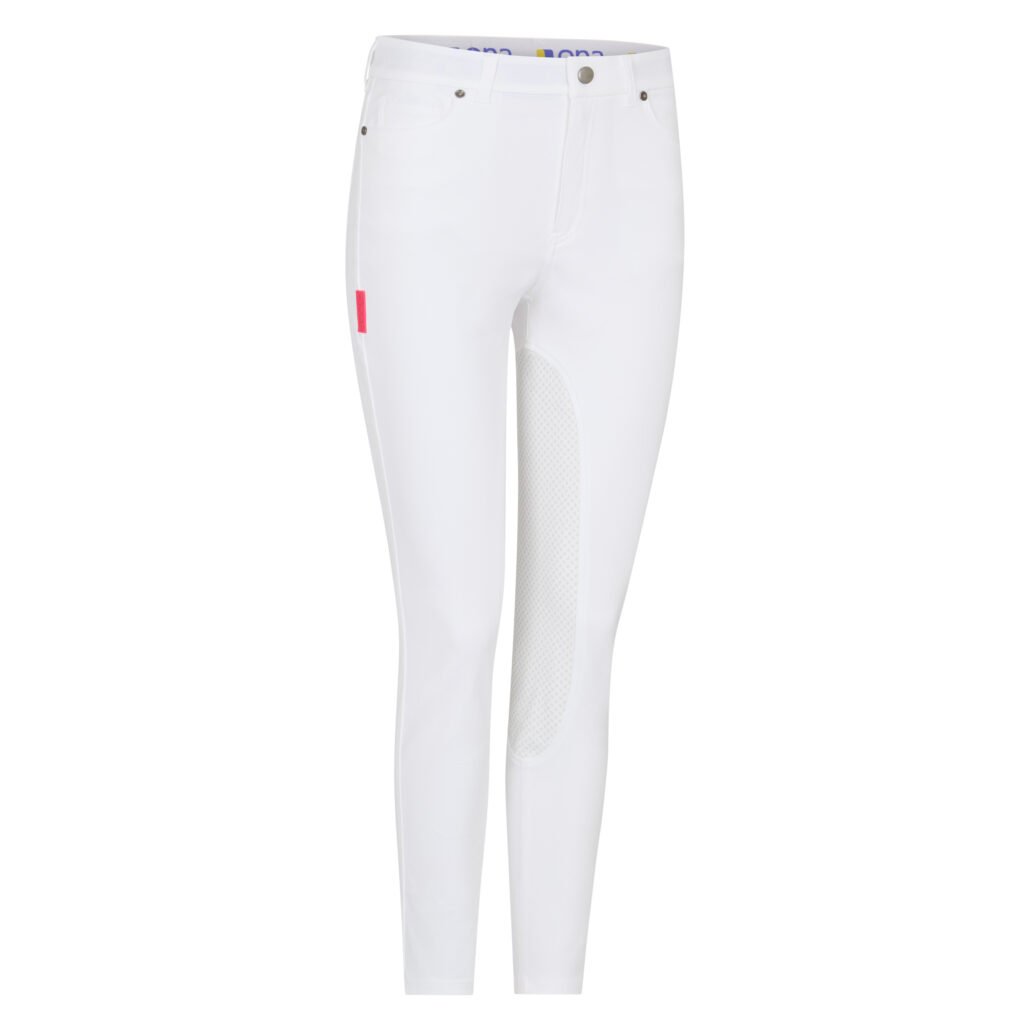
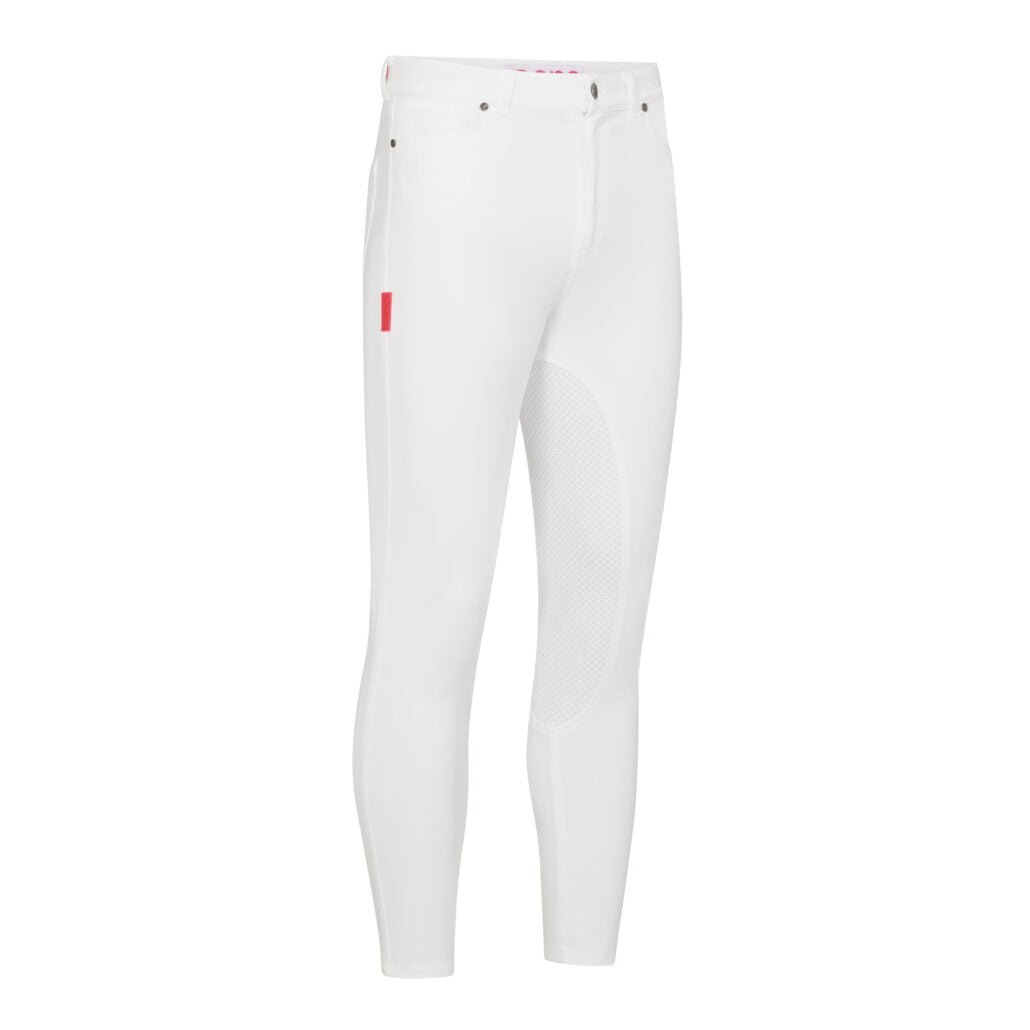
- Technical polo whites have stretch and grip where you need them in the saddle.
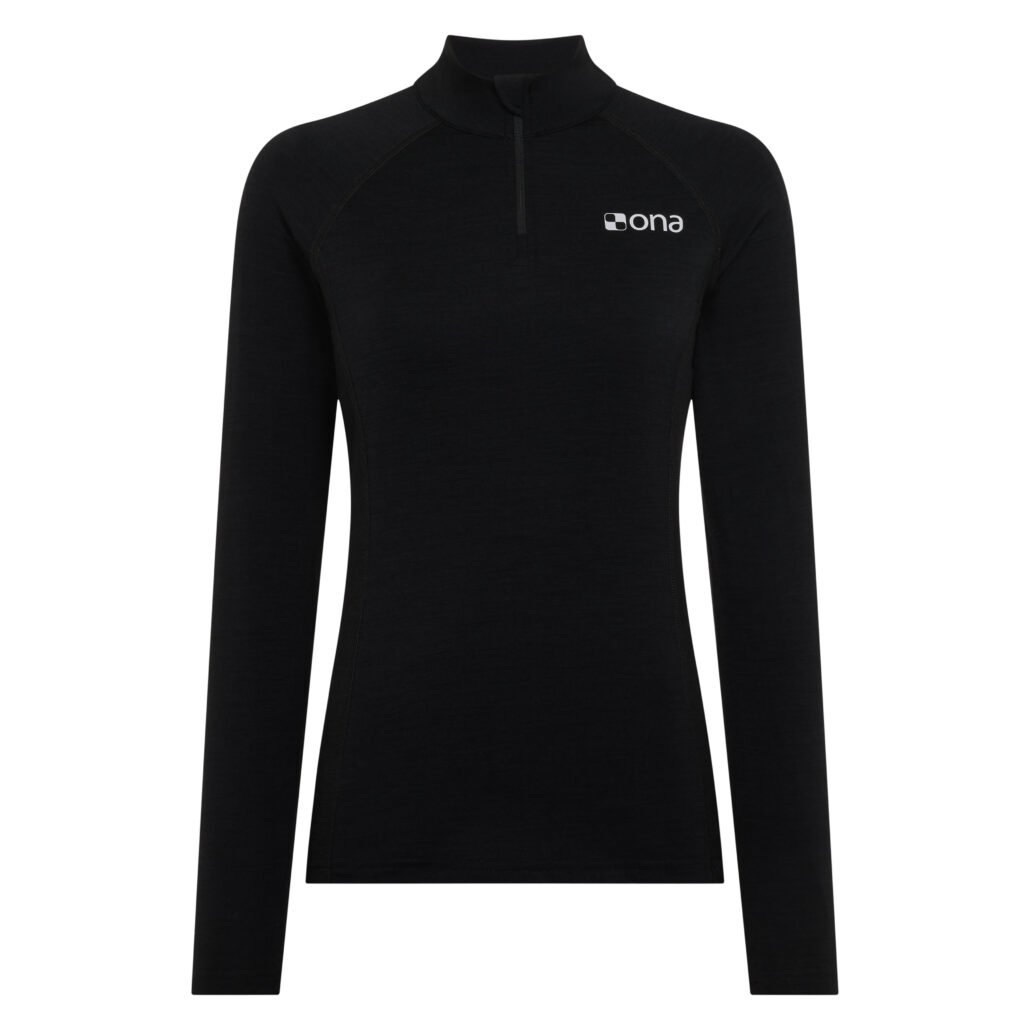
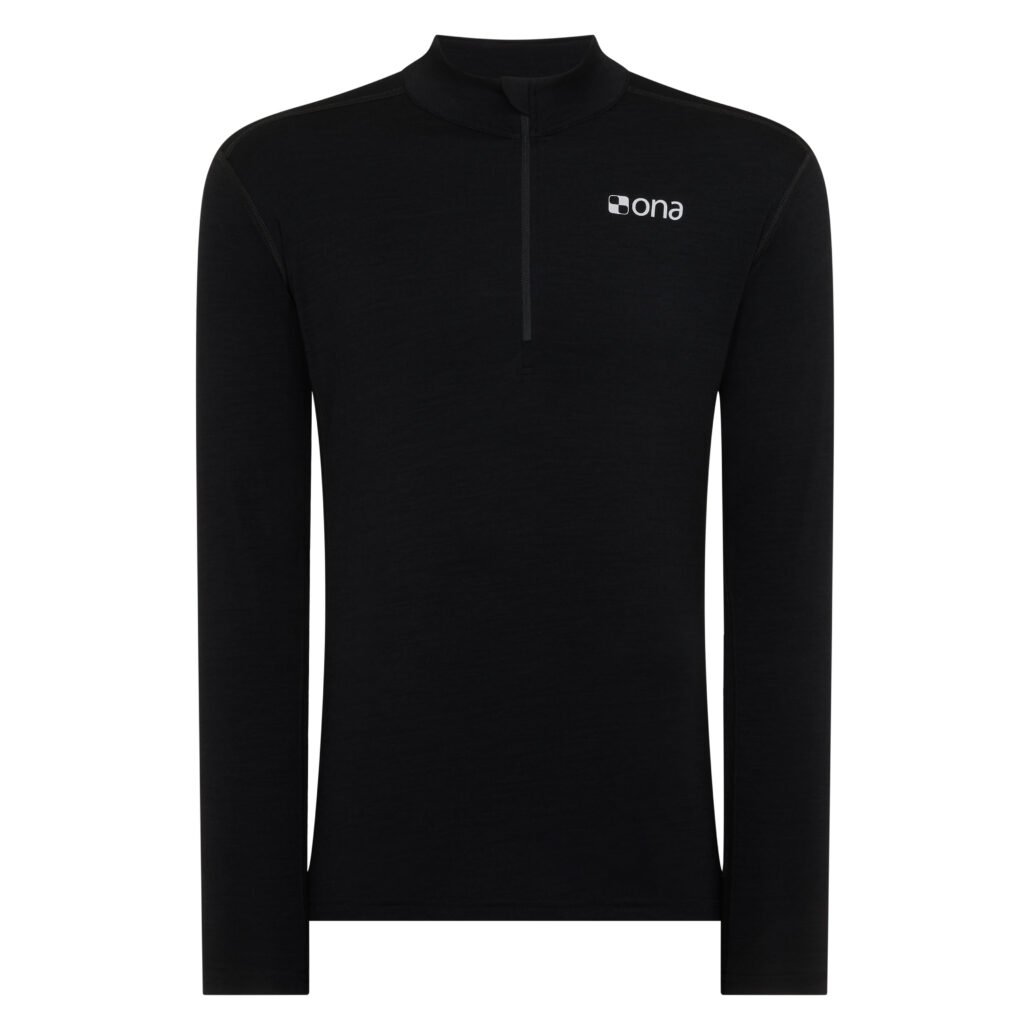
- Merino base layers handle cold early-season chukkas.
The best polo gloves depend on how and where you play. The brands compared here each have a clear identity:
- Franklin, MacWet, Heritage, SSG and Hook make accessible, proven gloves for club and arena play.
- Casablanca, Prisa and La Martina offer well crafted leather gloves from established polo names.
- Krono organises its range around weather.
- Roeckl make excellent riding gloves that grooms and rein-focused players use alongside polo-specific gloves.
- Ona offers the broadest range built only for polo, covering maximum protection (Carbon Pro V2), mid-level padding (Power), pure feel (Speed XT), all-weather leather (All Weather V2), dedicated rain grip (Storm) and an eco microfibre (EcoGrip).
Start with your conditions, then your protection needs, then fit, and only then look at price and colour.
Whether you are buying your first pair of polo riding gloves or fine-tuning your kit for the high-goal season, knowing how the polo glove brands differ is the surest way to better grip, comfort and protection. Leather or synthetic, carbon knuckles or minimal construction, rain gloves or dry-weather leather: these are the details to compare. Explore Ona’s full range of technical polo gloves, designed in collaboration with professional players for every level of the game, from first chukka to the highest-goal fields.