
Polo has always been a sport of rare distinction, and at its summit stand a handful of players whose command of the game sets them apart from all others. To speak of the best polo players in the world is to speak of a very small circle indeed: a group defined not by reputation or wealth, but by an objective measure the sport has used for well over a century – the handicap. To reach its maximum, ten goals, is to be counted among perhaps a dozen people on earth.
This guide profiles those players. It begins with the elite ten-goalers who represent the current pinnacle of the men’s game, turns to the legends whose names are woven into polo’s history, and gives due prominence to the women now redefining the sport at its highest level. Along the way, it explains how the handicap system works, why Argentina dominates the upper reaches of the game, and what separates a truly great player from a merely excellent one. Whether you are new to polo or a lifelong follower, the aim is to offer a clear, authoritative portrait of the athletes who define this extraordinary sport.
“What draws people to polo is the spectacle of the great players, but what keeps them is the realisation of how much lies beneath it – the horsemanship, the years in the saddle, the bond between rider and pony. The names at the top of the game are the doorway through which most people first fall in love with it.” – Alejandra Falkinhoff, CEO, Ona Polo
How polo handicaps work and why a 10 is so rare
The handicap system was devised in 1890 by Henry Lloyd Herbert, the first president of the United States Polo Association, as a way of matching teams of differing ability on fair terms. Players are rated on a scale running from minus two goals, for a beginner, up to ten goals, the maximum. The crucial point, often misunderstood, is that the number does not predict how many goals a player will score. It is an assessment of a player’s total value to a team, weighing horsemanship, striking ability, tactical intelligence, anticipation and sportsmanship alike.
In handicap tournaments, the four players’ ratings are added together to produce a team total, and the weaker side is given the difference in goals at the outset. At the very highest level, though, the greatest championships are contested by forty-goal teams – four ten-goalers each – playing on level terms, a spectacle possible in practice only at Argentina’s Palermo Open.
Reaching ten goals is exceptionally rare. Ratings are reviewed twice a year by national associations, and there is no single global list; a player rated ten in Argentina may be rated nine in the United States or England. The Argentine handicap is regarded as the most demanding of all, which is why its ten-goalers are treated as the definitive best in the world. A separate handicap scale for women’s tournaments was introduced in Argentina in 2012, which is why the leading women’s ratings are read against their own benchmark.
The current ten-goal players
Argentine handicaps are revised each December. Following the most recent review, effective the start of the 2026 season, six men hold a ten-goal Argentine handicap – the clearest definition available of the best players in the world today.
Adolfo Cambiaso
The founder and captain of La Dolfina, and the most celebrated player of the modern era, Cambiaso plays the pivotal playmaking role and has held a ten-goal handicap since 1994. His achievements are examined in full below; it is enough to say here that no active player casts a longer shadow over the sport.
Adolfo “Poroto” Cambiaso Jr.
Adolfo’s son, born in 2005, became the youngest player in history to reach a ten-goal handicap, having won the Argentine Open at seventeen – itself a record. A forward of dazzling flair, he was named most valuable player of the 2025 Argentine Open final.
Camilo “Jeta” and Bartolomé “Barto” Castagnola
The Castagnola brothers, sons of Bartolomé Castagonla and nephews of Adolfo Cambiaso, both reached ten goals remarkably young. Camilo, born in 2002, is a prolific forward who briefly became the youngest ten-goaler in history; Bartolomé (Barto), the elder, anchors the defence with commanding presence. Together with the Cambiasos they form the spine of the dominant team of the age, and both have multiple Argentine Open titles to their name.
Pablo Mac Donough
One of the most decorated players in the sport, Mac Donough reached ten goals in 2007 and has won the Argentine Open thirteen times across three different clubs. A superb all-round player, he was a cornerstone of the La Dolfina side that won three consecutive Triple Crowns between 2013 and 2015 and eight straight Argentine Opens.
Facundo Pieres
The standard-bearer of the great Ellerstina organisation and son of its founder Gonzalo Pieres, Facundo is a five-time Argentine Open champion renowned for his long hitting and competitive fire. A former world number one, he remains among the most influential players of his generation.
Beyond these six, the global elite includes two Argentines rated ten in the United States – Hilario Ulloa and Tomás Panelo – while Uruguay’s David “Pelón” Stirling, the most successful non-Argentine of the modern era with seven Argentine Open titles, and the great Juan Martín Nero, a twelve-time Argentine Open champion, both held ten-goal Argentine handicaps until very recently. Their standing is a reminder of how fine the margins are at the summit of the sport.
“People assume the gap between a nine and a ten is small. It is anything but. That final goal represents a completeness – a player who has no weakness for an opponent to exploit, on any pony, in any moment of a match. There is a reason so few ever reach it.” – Alejandra Falkinhoff, CEO, Ona Polo
The kit behind the ten-goal game
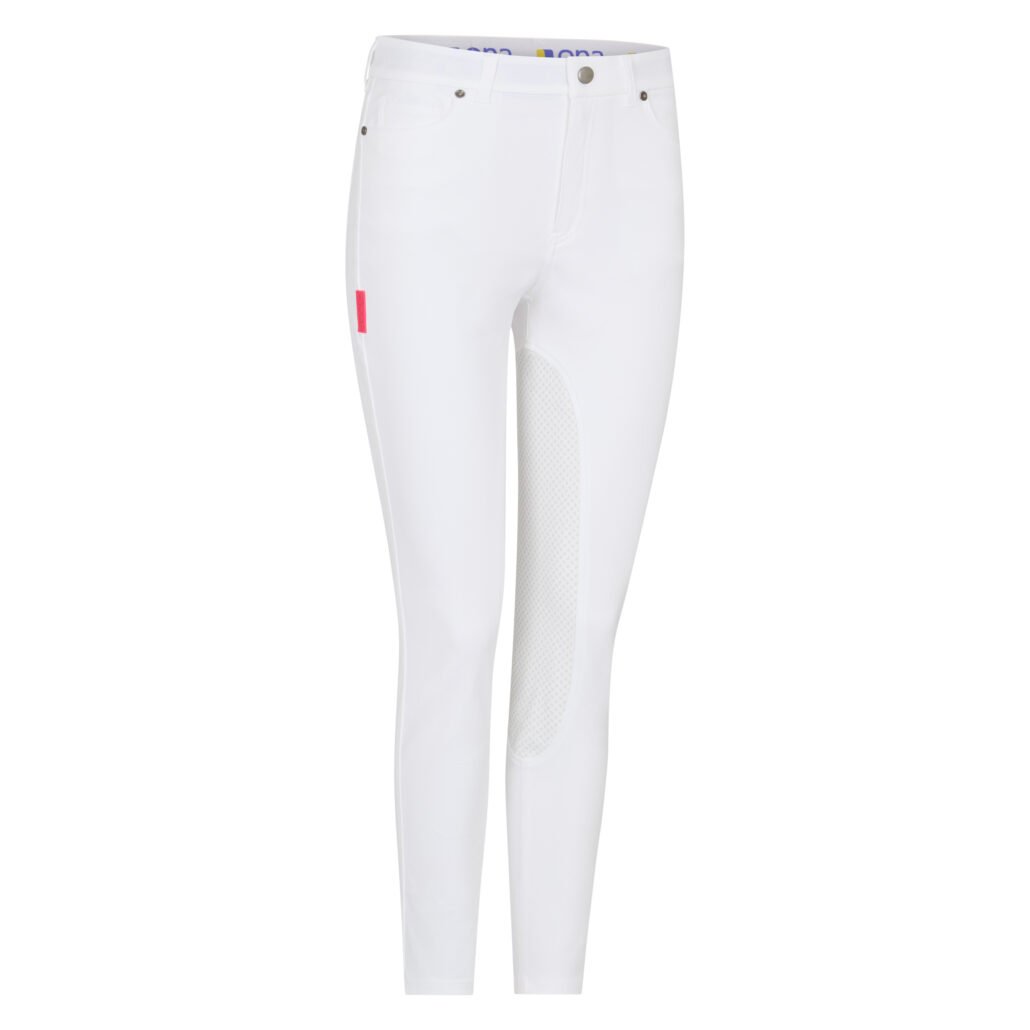
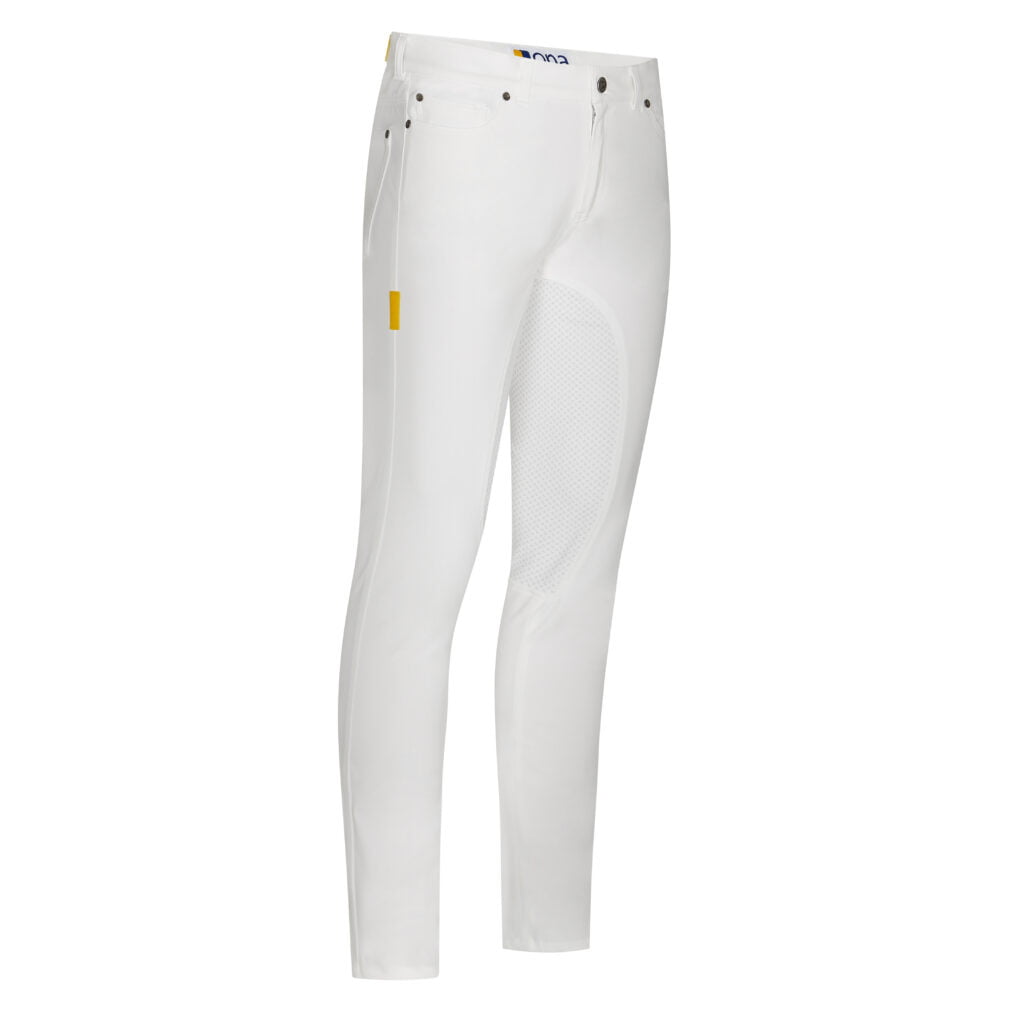
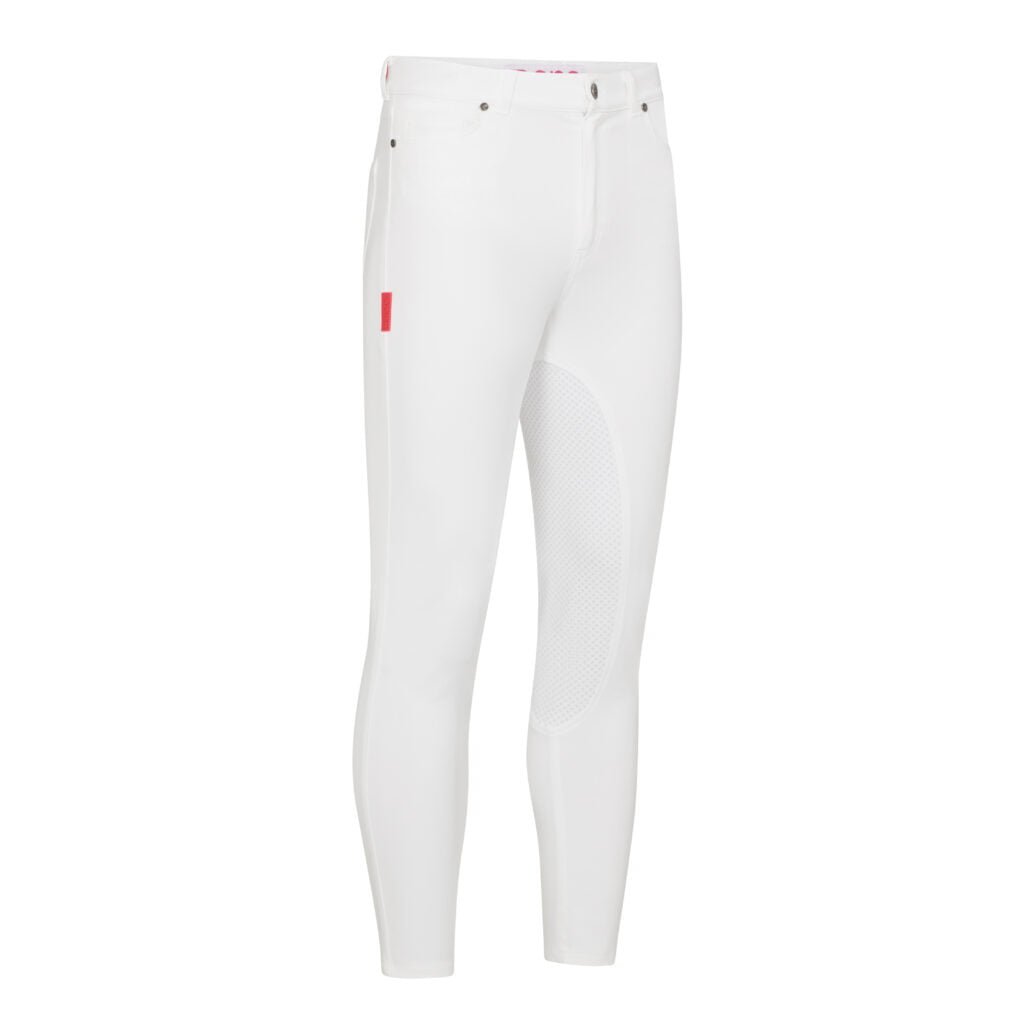
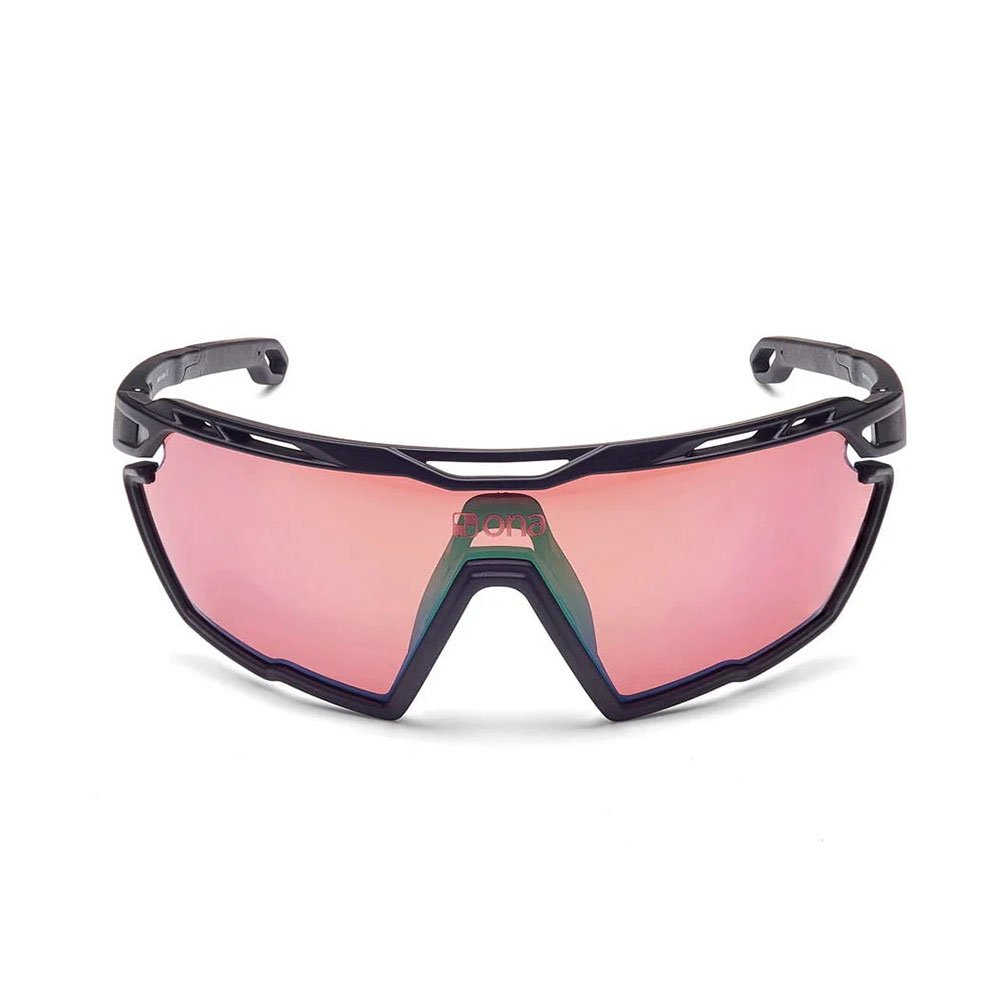
At this level, equipment stops being a matter of taste. Grip that holds through a wet chukka, whites that move with the rider rather than against them, lenses built to take a ball at speed, these are working tools, chosen for what they do over a full season rather than how they look on the first day. Ona Polo has spent twenty-five years building exactly that kind of kit alongside professional players.


Adolfo Cambiaso: The greatest of all time
No name in polo carries the weight of Adolfo Cambiaso. Born in Cañuelas in 1975, he was raised to a ten-goal handicap in 1994 at the age of nineteen, then the youngest ever to reach the maximum, and he has held it continuously ever since – a run of roughly three decades at the sport’s ceiling that has no parallel.
His record stands alone in the modern game. Through the 2025 season he has won the Argentine Open nineteen times, second only to the all-time record of twenty, and in December 2025 he became the only player in history to win five Triple Crowns. He founded La Dolfina in 2000 and built it into the most successful team of its era, including a record three consecutive Triple Crowns and eight straight Argentine Opens. Internationally, he has won the United States Open ten times and the British Gold Cup nine. Internationally, he has won the United States Open ten times, the British Gold Cup nine, and the Cartier Queen’s Cup a record ten times – more than any other player in its history.
Cambiaso also transformed the breeding of polo ponies. After preserving cells from a favourite horse, he became a pioneer of equine cloning, most famously reproducing his celebrated mare Cuartetera many times over and riding her clones to victory at the highest level. In 2025 he added a further, poignant chapter to his story by winning the British Open alongside his daughter Mia, of whom more below, and reflected on the achievement in remarks widely reported at the time:
“My ninth Gold Cup and to do it with my daughter, Mia is incredible.” – Adolfo Cambiaso (published remarks, 2025)
“Cambiaso changed what players believed was possible, both on the field and in how the sport thinks about its horses. Watching him is a masterclass in anticipation – he seems to arrive where the ball will be a moment before anyone else. For an entire generation, he has been the measure of greatness.” – Alejandra Falkinhoff, CEO, Ona Polo
All-Time greats and legends of the sport
Long before the present era, polo produced players whose names remain touchstones of excellence. Understanding them lends context to the achievements of today’s stars.
- Juan Carlos Harriott Jr. Widely regarded as the finest player of the pre-Cambiaso age, Harriott won the Argentine Open a record twenty times and held a ten-goal handicap for around two decades. His Coronel Suárez team became the first in history to reach the perfect forty-goal rating.
- The Heguy dynasty. One of the sport’s great families, the Heguys have contributed generations of champions; Horacio Heguy won nineteen Argentine Opens, and the tradition continues today through the cousins Antonio and Cruz.
- The Pieres family. Gonzalo Pieres Sr. built Ellerstina into a powerhouse, and his sons and nephew have all reached the top of the game, making the Pieres name synonymous with sustained excellence.
- The Gracida family. Mexico’s Guillermo “Memo” Gracida Jr. was considered the world’s best for much of the 1980s and 1990s and holds the record for United States Open titles; his brother Carlos was a celebrated champion admired for the elegance of his play.
- Cecil Smith. The definitive American legend, who held a ten-goal handicap from 1938 to 1962 – the longest such tenure of any American player.
“The legends of polo are not just record-holders; they are the people who shaped how the game is played and taught. Every young player today is, whether they know it or not, an inheritor of what the Harriotts, the Heguys, the Gracidas, the Pieres and other great players built. Tradition is one of polo’s quiet strengths.” – Alejandra Falkinhoff, CEO, Ona Polo
The Argentine Triple Crown and the game’s great tournaments
The pinnacle of the sport is the Argentine Triple Crown: three championships played each spring in and around Buenos Aires – the Hurlingham Open, the Tortugas Open, and, greatest of all, the Argentine Open at Palermo, a stadium known as the Cathedral of Polo. To win all three in a single season is the rarest feat in the game. In 2025 the merged La Natividad La Dolfina side achieved exactly that, crowning the season with victory in the Argentine Open final.
Beyond Argentina, the sport’s other landmark tournaments include the United States Open, the climax of the season in Wellington, Florida; the British Open for the Cowdray Gold Cup in West Sussex; the Cartier Queen’s Cup near Windsor; and the international seasons at Sotogrande in Spain and in Dubai. Together these events form the calendar around which the careers of the greatest players are built.
| Tournament | Location | Notes |
| Argentine Open | Palermo, Buenos Aires | The most important club tournament in the world |
| Tortugas Open | Buenos Aires province | First leg of the Triple Crown |
| Hurlingham Open | Buenos Aires province | The oldest of the three Triple Crown legs |
| US Open | National Polo Centre, Florida | Climax of the US season |
| British Gold Cup | Cowdray Park, England | The premier British high-goal title |
| Queen’s Cup | Guards Polo Club, England | Prestigious early-summer championship |
The leading women in the world today
Women’s polo has grown rapidly in recent years, and its finest players now command genuine standing across the sport. Rated against the women’s handicap scale, four women hold its maximum of ten goals as the 2026 season begins.
- Hazel Jackson. Widely cited as the world’s leading woman player, the England captain is rated at the top of the scale in Argentina, the United States and England, and has competed in men’s high-goal polo – a rare distinction.
- Hope Arellano. A fourth-generation American player who became the youngest of her country to reach the maximum women’s handicap, and a two-time winner of the Women’s Argentine Open.
- Mia Cambiaso. Adolfo’s eldest daughter, who in 2025 became the first Argentine woman to win the British Open, playing alongside her father, and was named most valuable player of the final.
- Candelaria “Cande” Fernández Araujo. The most decorated player in the history of the Women’s Argentine Open and a mainstay of the sport’s dominant women’s team.
Two further giants of the women’s game, England’s Nina Clarkin – long regarded as the world’s best – and Argentina’s Lía Salvo, a former ten-goaler and one of the highest-rated women in the sport’s history, remain among the very finest players in the world. The premier competitions, chief among them the Women’s Argentine Open at Palermo, now provide the stage their talent deserves.
“The rise of the women’s game is the most exciting story in polo today. The talent has always been there; what has changed is the platform, and players like Hazel Jackson, Lía Salvo and Mia Cambiaso are proving at the very highest level what women can do in this sport. It is changing polo for the better, and for good.” – Alejandra Falkinhoff, CEO, Ona Polo
Rising stars and the next generation
The future of polo is, unusually, already visible at its summit. Poroto Cambiaso, the youngest ten-goaler in history, leads a remarkable cluster of young talent that includes his La Natividad-La Dolfina teammates Camilo and Bartolomé Castagnola – all three already at the top of the handicap scale, and each with a real claim to being the best of his generation. In the women’s game, Hope Arellano, Mia Cambiaso and England’s Hazel Jackson, the world’s number one, represent a generation for whom the highest honours are not an aspiration but an expectation. The Heguy cousins, Antonio and Cruz, are meanwhile reviving one of the sport’s most storied dynasties. Rarely has a sport’s next chapter looked so assured.
“What excites me about the next generation is not only their skill, but the standards they set from such a young age – in fitness, in horsemanship, in professionalism. They are raising the bar for everyone. The players buying their first mallet today are watching, and learning from, the best-prepared athletes the sport has ever produced.” – Alejandra Falkinhoff, CEO, Ona Polo
The best polo players in the world represent the meeting of talent, dedication and horsemanship at its very highest expression. From Adolfo Cambiaso, whose three decades at the summit have redefined what is possible, to the young players already bearing the maximum handicap, and to the women now competing and winning at the top of the game, the sport has rarely been in richer health. The handicap system gives us an objective measure of their greatness, but the deeper story lies in the artistry, the discipline and the partnership with the horse that no number can fully capture.
To follow these players is to appreciate polo at its finest – and, for those drawn to the sport themselves, to find inspiration in the standards they set. Greatness in polo is built over years, in the saddle and out of it, and the champions profiled here embody the qualities that make the game endlessly compelling.
Sharing the spirit of the game
The champions of polo remind us that the sport is, at heart, a pursuit of excellence – of performance, precision and enduring elegance. That same spirit informs the equipment and apparel that players rely on, season after season. At Ona Polo, our collections of polo apparel, gloves, eyewear and protection are made in that tradition of craftsmanship and quality, designed for those who share a love of the game whether they play at club level or simply admire it. Explore the range and equip yourself with the care and attention that the sport, and its greatest players, have always demanded.
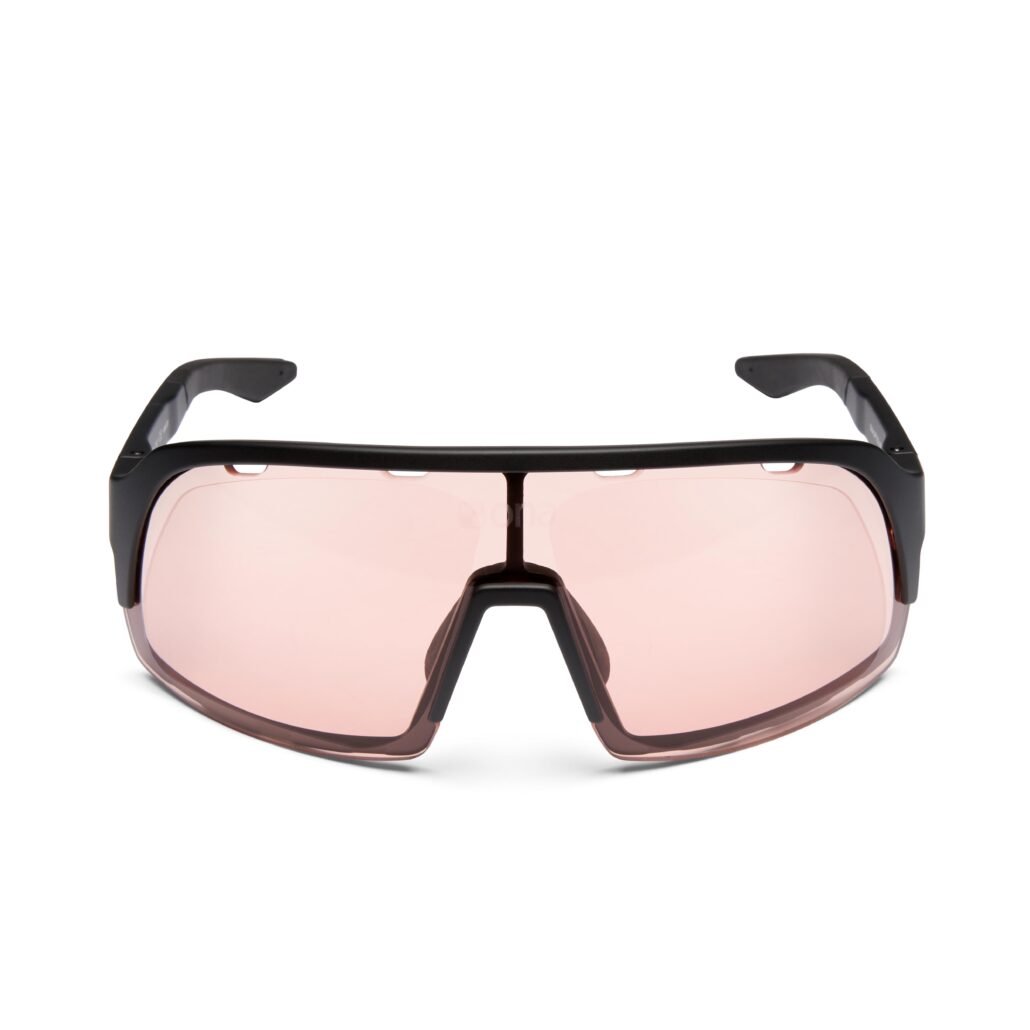
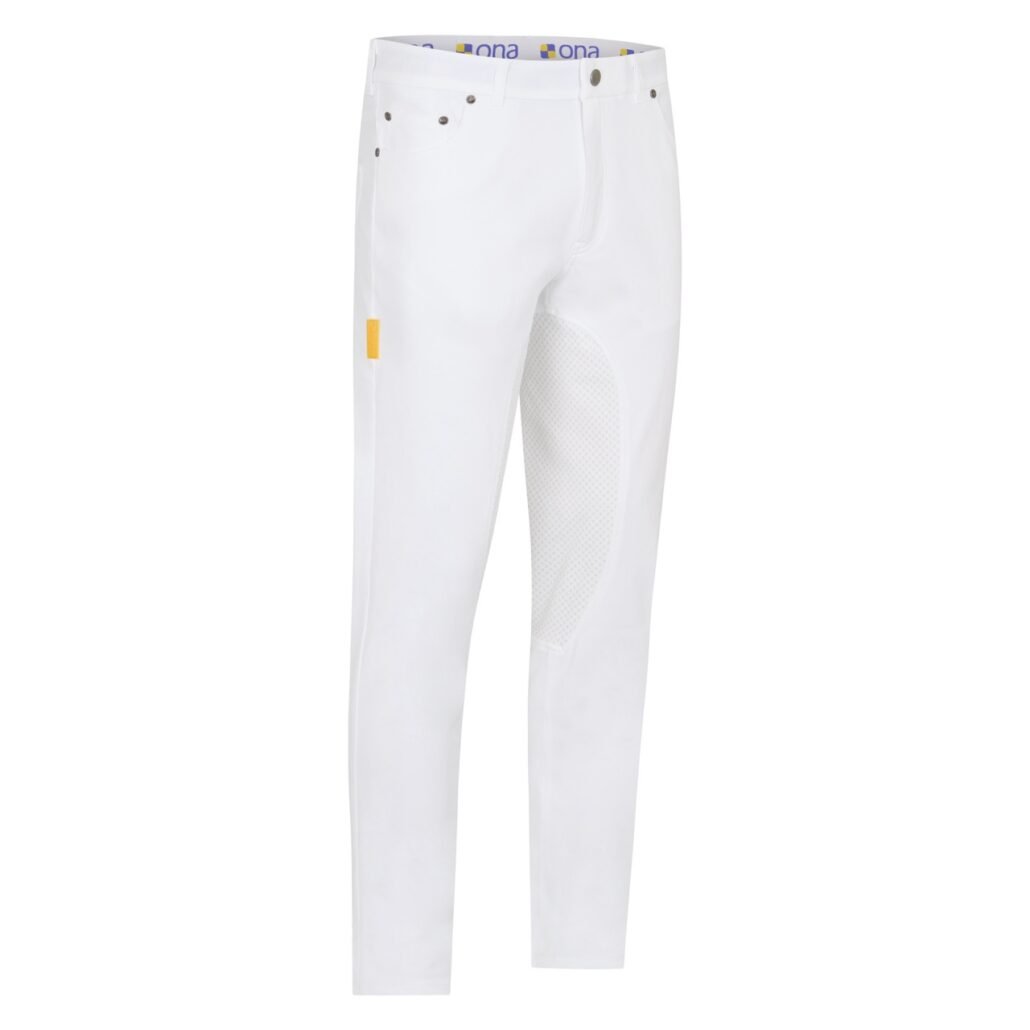
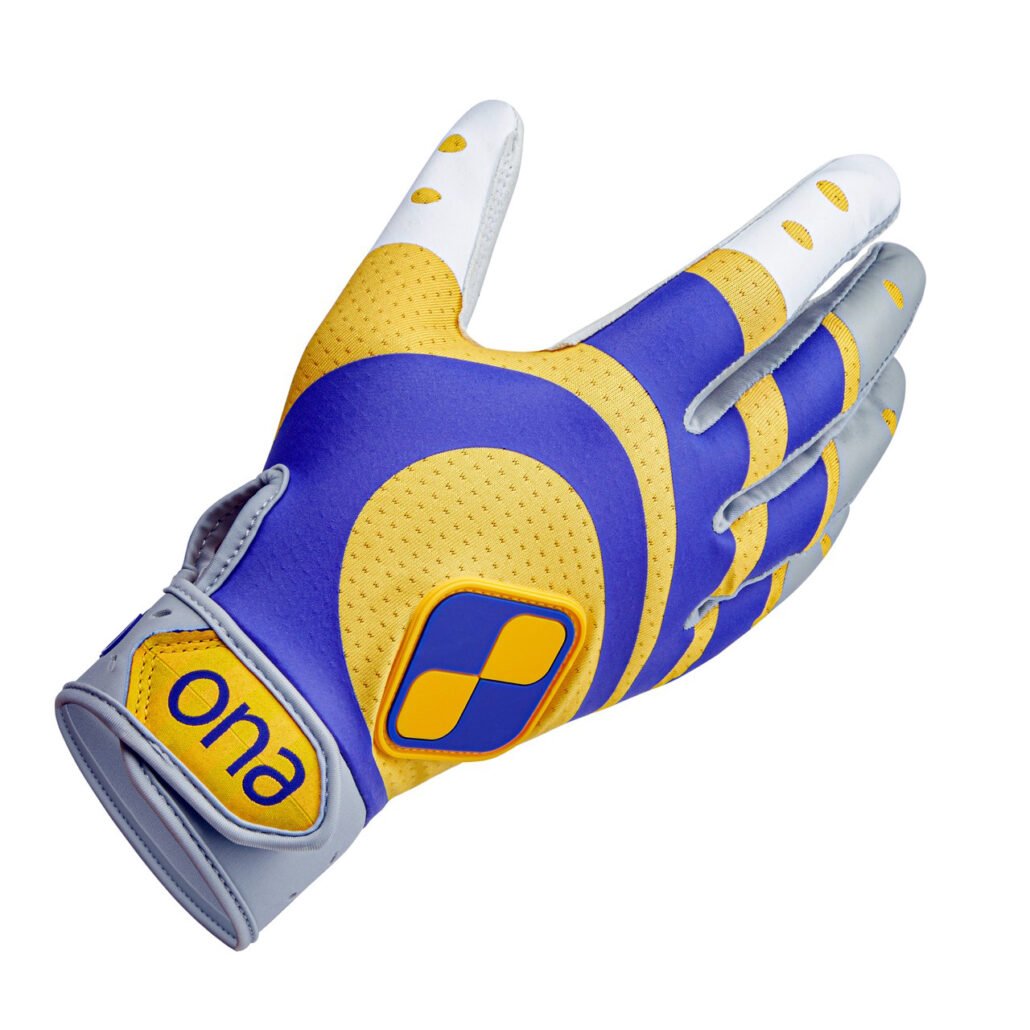
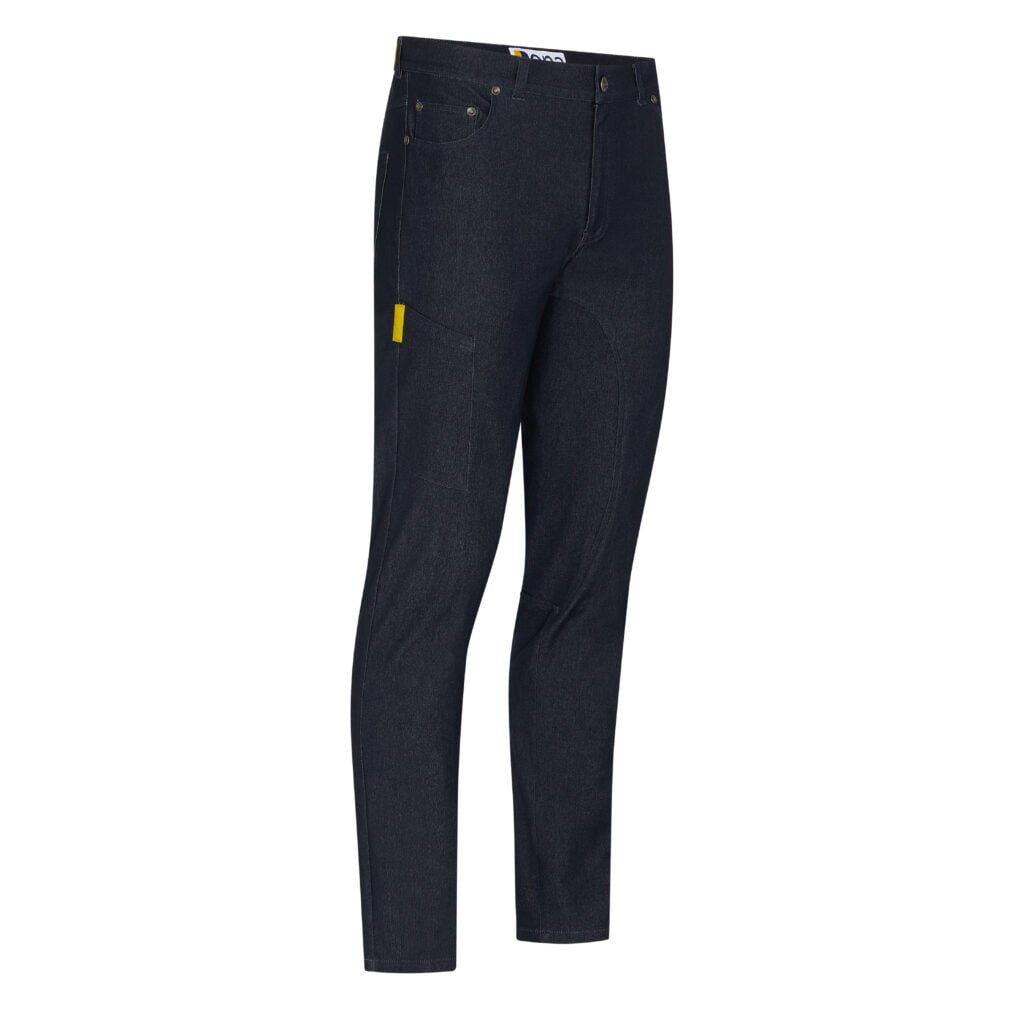
Juxta Practise Pants Blue
£290.00 Original price was: £290.00.£145.01Current price is: £145.01.

Frequently asked questions
Who is the best polo player in the world?
Adolfo Cambiaso is almost universally regarded as the greatest polo player of all time, and he remains the reference point of the modern game. In terms of the current elite, he is one of six men holding the maximum ten-goal Argentine handicap as the 2026 season begins, alongside his son Poroto Cambiaso, the Castagnola brothers, Pablo Mac Donough and Facundo Pieres.
What is a 10-goal polo player?
A ten-goal player holds the maximum handicap in polo, a rating that runs from minus two for beginners up to ten. The figure reflects a player’s total value to a team – horsemanship, hitting, tactics and sportsmanship – rather than the number of goals they score. Fewer than a dozen players worldwide hold a ten at any time.
Why are most of the best polo players Argentine?
Argentina has an unrivalled depth of polo culture, breeding and competition, and its domestic championships are the toughest in the world. The Argentine handicap is considered the most demanding to earn, which is why almost all of the game’s ten-goalers are Argentine.
Who are the best female polo players in the world?
As the 2026 season begins, four women hold the maximum ten-goal women’s handicap: Hazel Jackson of England, often cited as the world’s best; the American Hope Arellano; and Argentina’s Mia Cambiaso and Candelaria Fernández Araujo. Nina Clarkin and Lía Salvo also remain among the finest players in the game.
What is the Argentine Triple Crown?
The Triple Crown consists of Argentina’s three greatest championships – the Hurlingham Open, the Tortugas Open and the Argentine Open at Palermo – all played each spring. Winning all three in a single season is the rarest and most coveted achievement in polo.
How does the polo handicap system work?
Players are rated from minus two to ten goals. In handicap matches, the four players’ ratings are summed to give a team total, and the weaker team is awarded the difference in goals at the start. Handicaps are reviewed twice a year, and a player rated ten in Argentina may be rated nine elsewhere.