
Stepping into the world of polo for the first time can feel like learning a language and a sport at once. There are chukkas and handicaps, mallets and martingales, whites and wraps, and behind each term sits a piece of equipment with its own conventions, quality markers and fitting rules. For a newcomer standing at the edge of the field, the natural question is simple: what do I actually need, and what can wait?
This guide answers the questions players most often ask before making their first purchases, and the ones experienced players return to when upgrading their kit. It is organised as a practical FAQ, moving from the essentials a beginner needs for a first lesson through to the finer points of saddles, mallets, apparel and protective gear. Throughout, the emphasis is on informed choices rather than acquisition for its own sake: polo rewards equipment that fits well, performs reliably and lasts, and the right guidance at the outset saves both money and frustration later.
A note on honesty before we begin. No single store supplies every item on a polo player’s list, and this guide is candid about where certain purchases, mallets and helmets in particular, are best sourced from dedicated specialists. The aim is to help you build a complete, well-considered kit, wherever each piece comes from.
“We would rather send a newcomer to the right specialist than sell them the wrong thing. No single store outfits a whole polo player, and pretending otherwise helps no one. Our honesty about what we don’t make is exactly what lets us stand behind everything we do — the gloves, the eyewear, the protection and the apparel that surround the game.” – Alejandra Falkinhoff, CEO, Ona Polo
Getting started: What does a beginner actually need?
The reassuring answer is: far less than you might expect. Polo has a reputation for expense, and at the professional level that reputation is earned, but the barrier to a first lesson is remarkably low. Most clubs are set up precisely to let newcomers try the sport with minimal outlay.
What the club usually provides
For lessons and introductory clinics, the majority of polo clubs supply the two most significant items: the ponies and their tack, and frequently a helmet as well. Mallets are almost always available to borrow for beginners. This means a new player can arrive, learn, and leave without having bought a single specialist item, an arrangement worth confirming with your club before you spend anything.
What to wear to your first lesson
You do not need whites or team shirts to learn. Comfort and safety are what matter. A sensible first-lesson outfit is:
- Long, close-fitting trousers such as jodhpurs, breeches or even jeans, to prevent the saddle chafing the leg.
- Boots with a small, smooth heel that will not catch in the stirrup; tall riding boots are ideal, but sturdy ankle boots suffice to begin.
- A riding helmet, bring your own if you have one that meets a recognised safety standard; otherwise ask whether the club can lend one.
- Gloves for grip, and sunglasses for sun and dust, both of which materially improve the experience even on day one.
The sensible order of acquisition
Once you are committed to the sport, gear is best acquired in order of how directly it affects your safety and comfort. A practical sequence runs roughly as follows:
- A properly fitted helmet of your own, the single most important safety investment.
- Riding boots and knee protection, which make every session more comfortable and secure.
- Gloves and eyewear, items that noticeably improve grip and vision.
- Playing apparel, whites, breeches and team shirts, as you begin to play in a club setting.
- A mallet of your own, once you understand the length and weight that suit you.
- Saddle, tack and ultimately a pony, the most significant commitments, reserved for players progressing into regular play.
The Right-Handed rule and why it matters for equipment
One rule shapes polo equipment more than any other: the game is played exclusively right-handed. The mallet is always carried in the right hand and the reins in the left. This is a safety measure, with every player swinging on the same side, opposing riders can approach and contest the ball without their mallets meeting head-on.
Left-handed players are entirely welcome in polo; they simply play right-handed like everyone else. For equipment, the implication is straightforward but important: gloves, mallets and grip conventions are all built around this arrangement. When buying a glove primarily for grip, it is the right, mallet-holding hand that most players prioritise, while the left, rein hand is often gloved for control and protection from the reins.
The polo mallet
The mallet is one of the most personal pieces of equipment a player owns, and understanding its anatomy makes choosing one far less daunting.
Anatomy of a mallet
A polo mallet comprises a flexible cane shaft, traditionally made from manau or bamboo, topped with a hardwood head, commonly tipa or maple, set at an angle to the shaft. The ball is struck with the side of the head, not the end. A grip and a wrist sling at the top secure the mallet to the hand during play.
Choosing the right length
Mallet length is dictated chiefly by the height of the pony, not the height of the rider. The taller the pony, the longer the mallet needs to be to reach the ball cleanly. As a general guide, mallets range from 48 to 53 inches:
| Mallet length | Approx. pony height |
| 48–49 in | Smaller ponies (around 14.2 hh) |
| 50–51 in | Average polo ponies (around 15 hh) |
| 52–53 in | Taller ponies (15.2 hh and above) |
A simple way to check length: sitting mounted, the head of the mallet should rest flat on the ground beside the pony without you having to stretch or hunch. Beginners often start slightly shorter, as a shorter mallet is easier to control while technique develops.
Weight and whippiness
Two further qualities distinguish mallets: overall weight and the flex of the cane, often called its “whippiness.” A whippier cane stores and releases more energy, generating power with less effort, but demands better timing. A stiffer cane offers more control and predictability. Lighter heads suit finesse and quick play; heavier heads deliver distance. Most players settle on their preferences through experience, which is why borrowing before buying is wise.
A candid note on sourcing: mallets are a specialist purchase, and Ona Polo does not currently stock them. We would encourage newcomers to borrow from their club initially and, when ready to buy, to consult a dedicated mallet maker who can match cane, weight and length to your play. Our focus lies in the apparel, protection and accessories that surround the game.
Helmets and protective gear
If there is one category where quality and correct fit are non-negotiable, it is protection. Polo is a fast contact sport played at speed, and the governing bodies treat safety equipment seriously.
The helmet
A helmet is mandatory in play across the sport’s governing associations, and it is the first item any committed player should buy for themselves. A polo helmet must meet a recognised safety standard and fit snugly without pressure points. Some players add a face guard for additional protection against the ball and mallet. Because correct fit is critical and standards are specific, a helmet is best bought in person from a specialist, and, like mallets, it sits outside Ona Polo’s current range.
Knee guards and elbow protection
Beyond the helmet, players protect the joints most exposed during ride-offs and close play. Knee guards shield against contact with other ponies, mallets and the ball, and are commonly worn over the boot. Elbow pads and body protection guard against falls, impact from the ball and the jostling of contested play. These are sensible additions as soon as a player begins competitive chukkas, and they represent an area where a considered range of protective equipment genuinely supports both confidence and safety on the field.
“The elbow takes the fall, the ride-off and the stray ball, and it has almost no natural padding of its own — which is precisely why we put our engineering into elbow protection. A guard that fits well and stays put lets a player commit to a contested ball instead of flinching from it. Confidence on the field starts with knowing your joints are covered.” – Alejandra Falkinhoff, CEO, Ona Polo
Other safeguards
Some players also wear a gum shield, and eye protection doubles as a safety measure as much as a comfort one, a point we return to below. The guiding principle is simple: protection is the one category where it is never worth economising.
The polo saddle and tack
As players progress toward owning their own string of ponies, tack becomes a serious consideration, and the saddle is its centrepiece.
What makes a polo saddle different
Polo saddles come in a few variations, but all are English-style saddle adapted for the demands of the game. Compared with a general-purpose or jumping saddle, it is flatter and cut for close contact, with minimal knee rolls and padding. This design gives the rider freedom to move fluidly in the saddle, leaning far out to strike the ball, shifting weight through fast turns, and mounting or dismounting quickly. The emphasis throughout is on mobility and close communication with the pony rather than the deep, secure seat prized in other disciplines.
Choosing a saddle: fit for pony and rider
A saddle must fit two bodies at once. For the pony, correct fit across the withers and back prevents pressure sores and allows free movement of the shoulders; a poorly fitting saddle is a welfare issue as much as a performance one. For the rider, seat size and balance matter for comfort across several chukkas. Quality is expressed in the leather, its grade, its stitching, and how well it has been finished, and in hardware that withstands hard use. A well-made saddle, properly cared for, lasts many seasons, which makes it an area where investment in craftsmanship pays over time.
The rest of the tack
A polo pony’s tack typically extends beyond the saddle to include a bridle with a double set of reins, and a most commonly a standing martingale to prevent the pony from raising its head dangerously high. A breastplate keeps the saddle from slipping, while a girth and surcingle provide extra security. Protective leg bandages offer support during play, while tendon boots guard the lower leg against strikes from the ball, mallet, or another pony. The tail is usually braided or bound to prevent it tangling with the mallet. Each element has a purpose rooted in the speed and contact of the game, and each rewards good materials and correct fitting.
Polo apparel: Dressing for the game
Apparel is where tradition and performance meet, and it is the category most players build up as they move from lessons into club play.
Polo whites and breeches
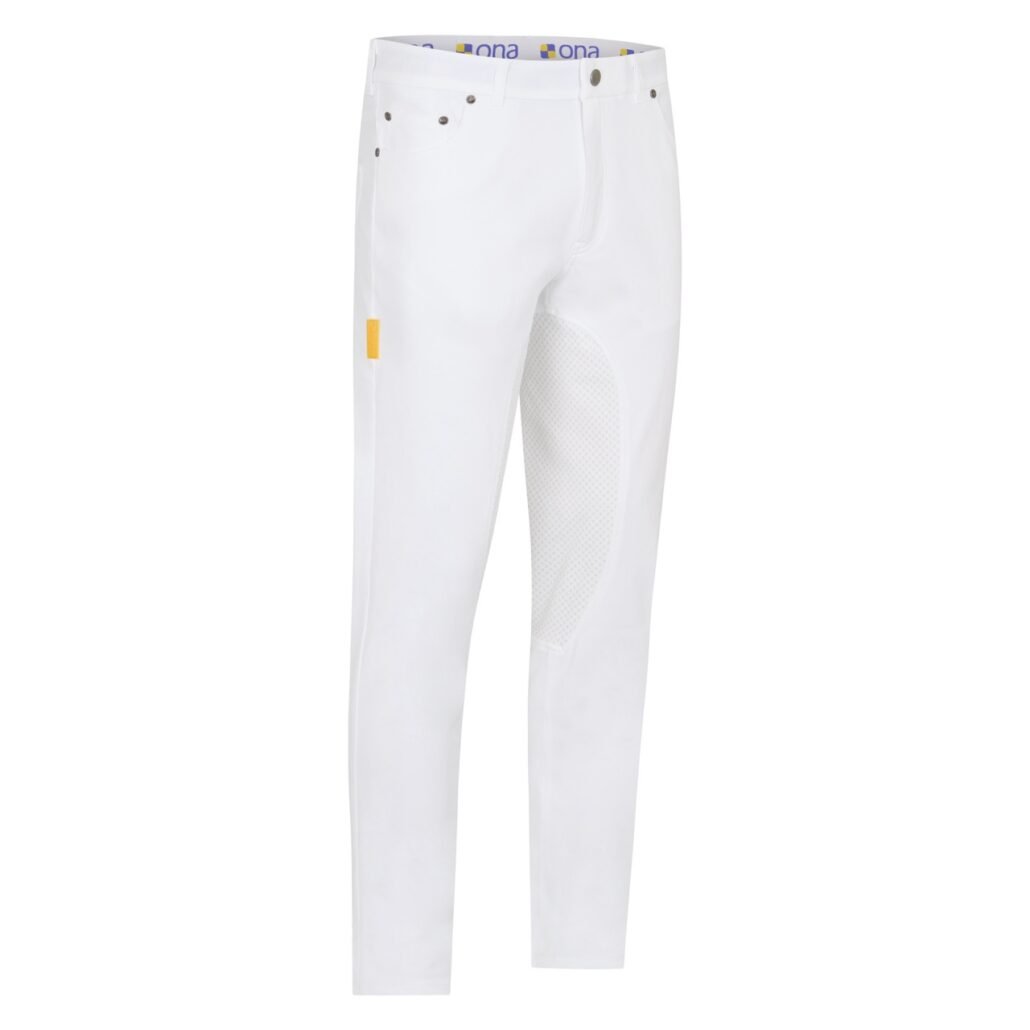
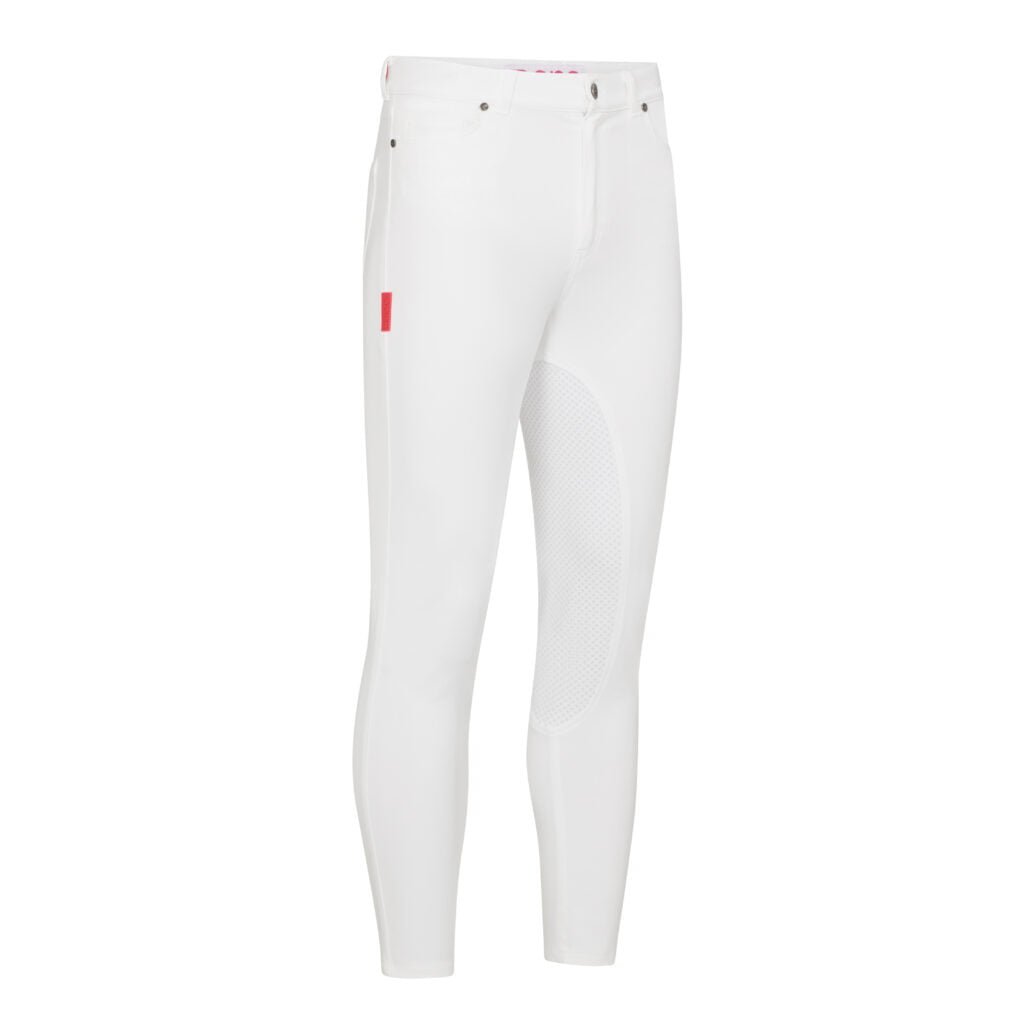
White trousers, the celebrated “whites”, are traditional match attire, worn with a team shirt for competitive play. Beyond convention, they are practical: light-coloured, breathable and cut for the saddle, often with reinforced knee patches to withstand friction. Quality whites use hard-wearing cotton or technical blends that move with the rider and survive repeated laundering. For practice, breeches, jodhpurs or technical pants in darker colours are entirely acceptable and more forgiving of the dust and grass of a working field.
Team shirts and polo shirts
The numbered team shirt is a defining image of the sport, each number denoting a playing position from one through four. Made for movement and breathability, a good polo shirt keeps a player cool across a match. Off the field, the polo shirt and t-shirt carry the sport’s understated elegance into everyday wear, the same refined aesthetic, without the demands of competition.
Base layers
Beneath the shirt, a moisture-wicking base layer keeps a player dry and comfortable through exertion, particularly valuable in warm climates or during back-to-back chukkas. In cooler conditions, a thermal or merino wool base layer serves the same purpose while adding warmth without bulk under the jersey.
Gloves
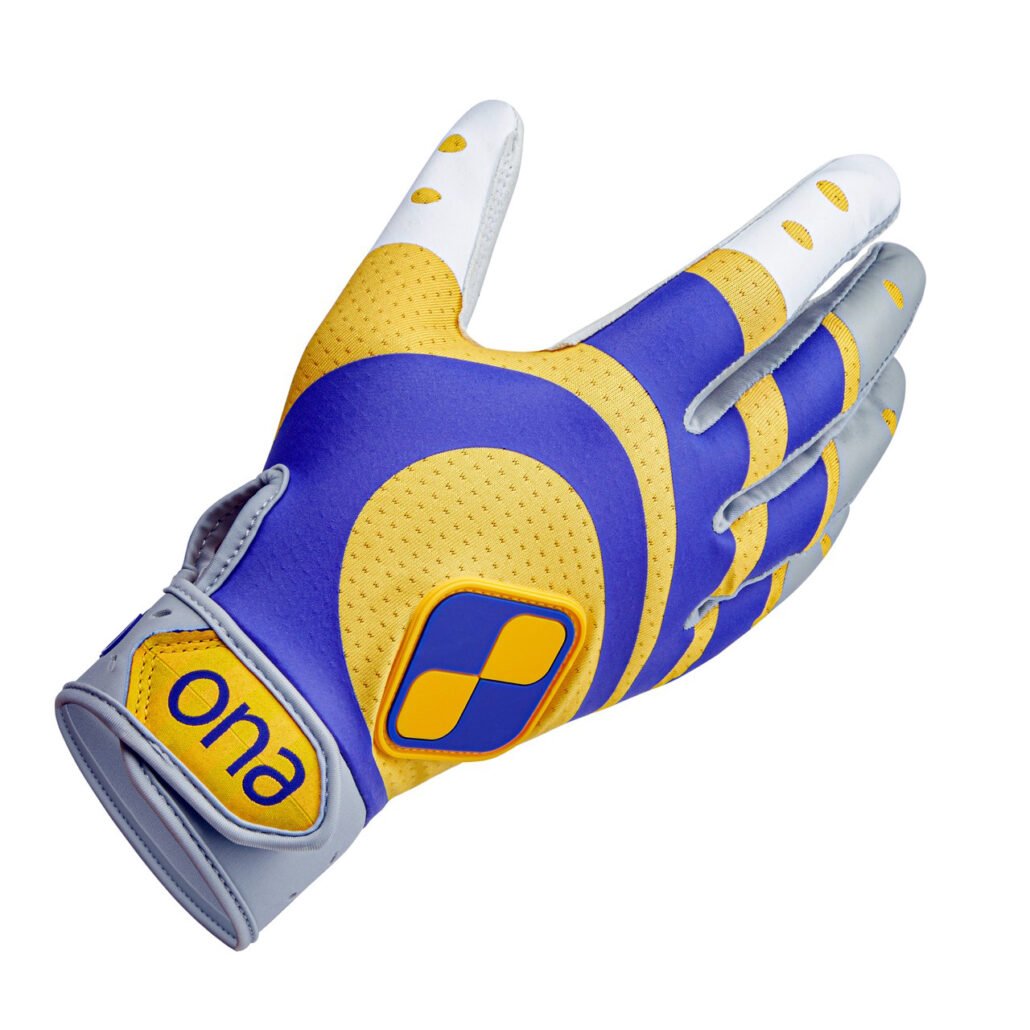
Gloves provide grip on both the mallet and the reins, and protect the hands from friction and blisters over long practice or play. Leather gloves mould to the hand and offer superb feel; synthetic and mesh gloves are lighter and dry quickly in wet or humid conditions. Some players wear one, on the mallet hand; others wear a pair. Fit should be snug and second-skin close, and, as covered in our dedicated glove sizing guide, leather is bought snug to allow for stretch, while synthetics are bought true to size.
Eyewear
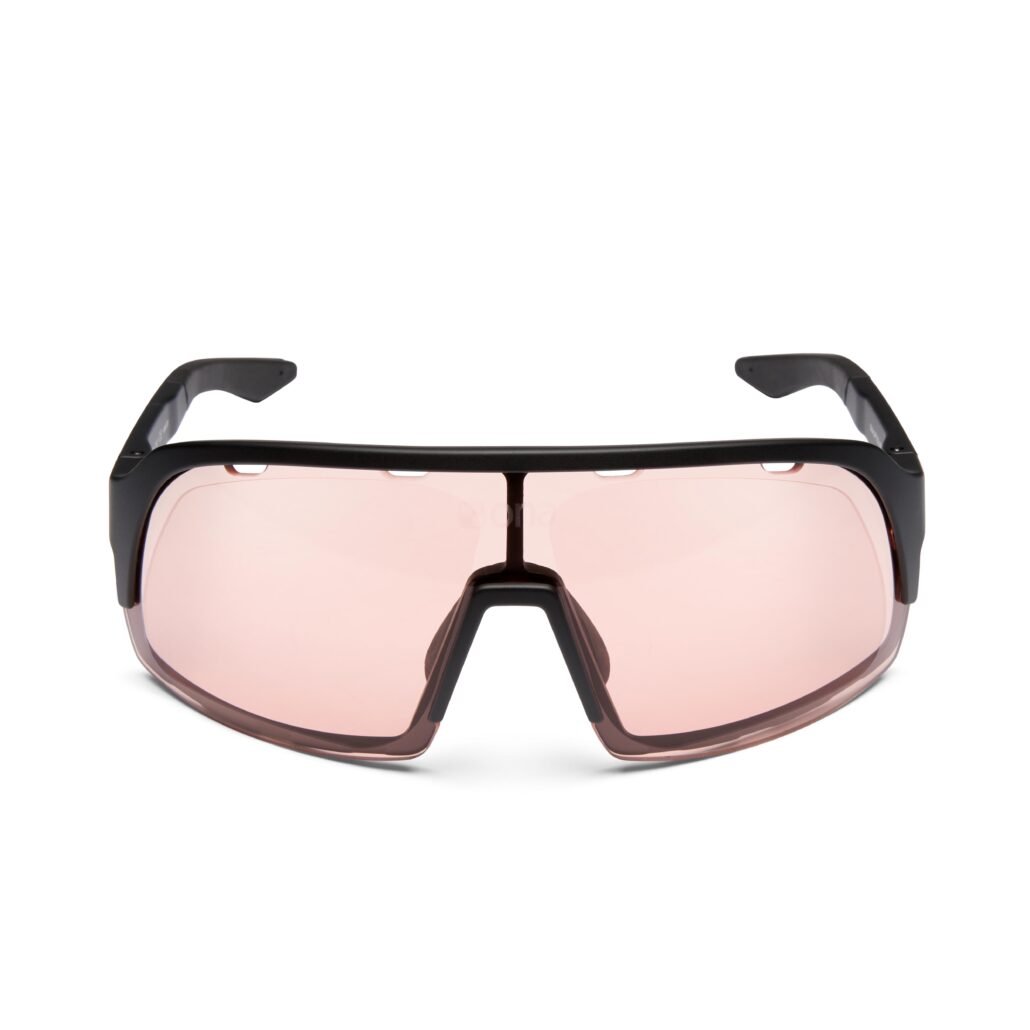
Sport sunglasses are more than a style choice on the polo field. The priority is impact protection, the HPA has made eyewear mandatory, and a well-chosen pair offers real protection from a fast-travelling ball or an accidental strike from a mallet. Beyond that, they support clear vision at speed, cut glare from the sun, and shield the eyes from flying dust and turf. The most suitable designs are wraparound for coverage, impact-resistant, and fitted with UV-protective lenses. For anyone spending hours in the saddle outdoors, well-chosen eyewear is both a safeguard and a comfort.
“Players think of sunglasses as a comfort, but on the field they are protection first — the HPA makes them compulsory for good reason. A ball or a mallet arrives faster than you can react, so we design for impact resistance and a wraparound fit before anything else. Clear vision at speed and relief from glare are what you notice; the safety is what matters most.” – Alejandra Falkinhoff, CEO, Ona Polo
Polo Boots
Tall leather riding boots, traditionally brown, complete the playing kit and support the lower leg in the stirrup. Beyond appearance, they protect the shin and ankle from knocks, give a firm, stable base for gripping the saddle, and their height and structure guard against contact from other ponies and the mallet during play.

Buying guidance: Quality, fit and value
What to look for in quality
Across every leather item, saddles, boots, gloves, quality reveals itself in the grade of the hide, the evenness of the stitching, and the integrity of the hardware. Supple, full-grain leather ages gracefully and moulds to its user; cheaper splits and heavily coated leathers crack and stiffen. In apparel, look for, well-finished fabrics, flat seams that will not chafe, and reinforcement at points of wear where it matters most. Good equipment feels considered in the hand, and it lasts.
New versus used for beginners
For items where fit and safety are paramount, helmets above all, buying new is strongly advised, as a helmet that has taken an impact may be compromised in ways you cannot see. For mallets and even saddles, quality second-hand pieces can be excellent value for a beginner, provided they are sound and correctly fitted. Apparel and gloves are generally bought new, both for fit and for hygiene.
Where to invest first
If budget is a consideration, and for most players it is, direct early spending toward safety and fit: a helmet of your own, comfortable boots, and protective gear. Gloves deliver a great improvement for a modest outlay. Whites, team shirts and the finer points of tack can follow as your commitment to the sport deepens. The most expensive elements, a string of ponies and their full complement of tack, belong to a later chapter.
Care and maintenance
- Leather. Clean with a damp cloth, allow to dry naturally away from direct heat, and condition periodically to keep it supple and prevent cracking.
- Whites. Treat grass and dirt promptly, wash according to the fabric, and dry out of harsh sun to preserve the colour and fibres.
- Eyewear Store eyewear in a case to protect the lenses; do not expose to high temperatures.
- Gloves Air gloves after play and clean them appropriately to their material.
A beginner’s glossary of polo terms
- Chukka. A period of play lasting up to seven and a half minutes; a match consists of four to six.
- Handicap. A player’s rating, ranging from -2 for novices up to the elite ten-goal mark held by only a handful of players worldwide.
- Mallet. The cane-shafted, hardwood-headed stick used to strike the ball, always held in the right hand.
- Tack. The collective term for a pony’s equipment: saddle, bridle, reins, martingale and the rest.
- Line of the ball. The imaginary line the ball travels along, central to polo’s rules of right of way and safety.
- Ride-off. A legal manoeuvre in which one player pushes another off the line of the ball, shoulder to shoulder.
- Bump. Controlled contact between two ponies used to disrupt an opponent’s play.
- Throw-in. The method of putting the ball into play, with the umpire rolling it between the two lined-up teams.
Building a polo kit need not be bewildering, nor need it begin with great expense. The essentials are few, the club supplies much of what a beginner requires, and the most meaningful early investments are in safety and fit rather than prestige. As your involvement deepens, so too does your equipment, from your first pair of well-chosen gloves to, in time, a saddle and string of your own.
The thread running through every category is quality that endures: leather that softens rather than cracks, apparel cut for movement and made to last, and protection that never asks to be compromised. Buy thoughtfully, prioritise fit, and let your kit grow with your game. Approached this way, equipping yourself for polo becomes part of the pleasure of the sport rather than an obstacle to entering it.



Frequently asked questions
How much equipment do I need to start playing polo?
Very little at first. Most clubs provide ponies, tack and mallets for lessons, and often a helmet too. To begin, you need only comfortable long trousers, boots with a small heel, and ideally your own helmet, gloves and protective sunglasses . Specialist apparel and your own mallet and tack come later, as your commitment grows.
Do I need my own horse to start playing polo?
No. Beginners almost never need their own pony. Clubs supply well-schooled ponies for lessons and introductory play, allowing you to learn the game before making the significant commitment of owning and stabling your own string.
Can left-handed players play polo?
Yes, but everyone plays right-handed. The mallet is always held in the right hand for safety, so that all players swing on the same side and can contest the ball without their mallets colliding. Left-handed players are welcome and simply learn to play right-handed.
How do I choose the right polo mallet length?
Mallet length is determined mainly by your pony’s height, not your own. Mallets run from about 48 to 53 inches, with taller ponies requiring longer mallets. Mounted, the mallet head should rest flat on the ground beside the pony without stretching. Beginners often start slightly shorter for easier control.
What is the difference between a polo saddle and a regular English saddle?
A polo saddle is flatter and cut closer than most English saddles, with minimal knee rolls and padding. This gives the rider freedom to move, lean out to strike the ball, and mount quickly. It prioritises mobility and close contact over the deep, secure seat favoured in disciplines such as jumping or dressage.
Do I need special sunglasses for polo?
Purpose-made sport sunglasses are compulsory under HPA rules, not just a recommendation. Impact protection is the priority, a well-chosen pair guards against a fast-travelling ball or an accidental strike from a mallet. Beyond that, they support clear vision at speed, cut sun glare, and shield the eyes from dust and debris. Look for wraparound, impact-resistant frames with UV-protective lenses. Ordinary fashion sunglasses are not built for this.
Is polo equipment unisex or gender-specific?
Much of it is unisex or offered in cuts for both men and women. Apparel such as whites, shirts and base layers is commonly available in men’s and women’s fits, while gloves are sized by hand measurement rather than gender. The priority in every category is correct fit rather than the label.
What should I wear to my first polo lesson?
Long, close-fitting trousers such as jodhpurs, breeches or jeans; boots with a small, smooth heel; and a properly fitted riding helmet, borrowed from the club if you do not own one. Gloves and sunglasses are worthwhile additions. You do not need whites or a team shirt to learn.