
Few sports are as instantly recognisable, or as widely misunderstood, as polo. To the newcomer it can look like an exclusive spectacle of galloping horses and swinging mallets. To the initiated it is one of the most demanding team sports in the world , a contact sport played at close to 35 miles per hour on a half-tonne athlete you change up to a dozen times in an afternoon.
Yet polo is only one branch of a very large family. Dressage, show jumping, eventing, flat and jump racing, endurance and the western disciplines all share the horse, and almost nothing else. Their scoring, their seasons, their ideal horse, the way the rider sits and steers, and even the clothes on their back diverge sharply.
This guide sets polo side by side with its equestrian cousins. It is written for the curious spectator, the rider considering a switch, and anyone who wants to understand what makes polo distinct. We will compare governing bodies and formats, the horses themselves, riding technique and physical demands, equipment, ranking systems, cost and entry pathways, and culture , with comparison tables and a glossary built to be genuinely useful.
“People often ask us how polo compares to dressage or eventing. My answer is that the horse is the only thing the sports truly share. Everything the rider wears and uses , the whites, the gloves, the eyewear , exists to solve a problem that is unique to polo: playing a fast, one-handed ball game in the saddle. That is what we design for.” – Alejandra Falkinhoff, CEO, Ona Polo
The disciplines at a glance
Before the detail, here is how the major equestrian sports compare on the fundamentals.
| Discipline | Governing body (Int’l / UK / US) | Format | How you win / score | Field or arena |
| Polo | FIP / HPA / USPA | 4-a-side (arena: 3), 4–8 chukkas of ~7 min | Most goals; sides change after each goal | Grass field up to 300 × 160 yds |
| Dressage | FEI / British Dressage / USEF-USDF | Solo test of set movements | Highest percentage score from judges | Arena 20 × 60 m |
| Show jumping | FEI / British Showjumping / USEF | Solo round over fences against the clock | Fewest faults, then fastest time | Arena, fences to 1.60 m at top level |
| Eventing | FEI / British Eventing / USEA | Triathlon: dressage, cross-country, show jumping | Lowest penalty total across three phases | Arena + open country course |
| Flat racing | IFHA / BHA / (US: state bodies, Jockey Club) | Race from stalls | First past the post | Turf/dirt course, various distances |
| National Hunt racing | BHA (UK/Ire) | Race over hurdles or fences | First past the post | Turf course with obstacles |
| Endurance | FEI / national bodies | Long-distance timed ride | First to finish “fit to continue”; vet gates | Natural terrain, up to 160 km/day |
| Reining (western) | FEI / NRHA | Solo pattern of manoeuvres | Judged score from a 70-point baseline | Arena |
| Polocrosse | IPC / national associations | 6-a-side (two sections of 3) | Most goals with a netted racquet | Field ~160 × 60 yds |
Origins and history
Polo is among the oldest equestrian sports on earth. Its progenitor, an equestrian game called chovgan, was played from roughly the 6th century BCE to the 1st century CE in Persia and Central Asia, where it doubled as cavalry training. Its modern form developed in India , the English word “polo” derives from pulu, the Balti/Tibetan word for “ball,” and the game descends specifically from the Manipuri sport sagol kangjei. British tea planters and officers encountered it in Manipur and founded the first Western club at Silchar in 1859; the Hurlingham Polo Association codified rules in England in the 1870s.
By contrast, dressage grew out of classical military horsemanship and Renaissance riding academies; eventing began explicitly as a cavalry test (“the militaire”) and made its Olympic debut at Stockholm in 1912, initially only for military officers. Show jumping emerged from the late-19th-century fashion for “leaping competitions.” Endurance riding was formalised in the United States, tracing to US Cavalry tests requiring a horse to carry heavy weight over 100 miles in a day, and became a sport in the 20th century. Reining descends directly from ranch work and cattle handling in the American West. Polocrosse , the closest cousin to polo , is the youngest of all, developed in Sydney, Australia in the late 1930s as a blend of polo and lacrosse.
Governing bodies
This is one of the clearest structural differences. Most Olympic and non-Olympic equestrian disciplines fall under a single global federation, the Fédération Équestre Internationale (FEI) , dressage, jumping, eventing, endurance, reining, driving, vaulting and para-dressage. Polo does not. It sits outside the FEI, governed internationally by the Federation of International Polo (FIP), with strong, autonomous national bodies: the Hurlingham Polo Association (HPA) in the UK, the United States Polo Association (USPA) in the US, and the Asociación Argentina de Polo (AAP) in Argentina, the sport’s dominant nation. Racing is different again, regulated nationally , the British Horseracing Authority (BHA) in Britain , under the umbrella of the International Federation of Horseracing Authorities. Polocrosse answers to the International Polocrosse Council (IPC), formed on the Gold Coast, Australia in 1976.
The horse: why a polo pony is unlike any other
This is where the differences become most vivid. A polo pony is not a pony at all. The term is a traditional courtesy from the sport’s early days, when height was capped (13.2 hands in the earliest era, 14.2 hands before 1919). Height limits were abolished in 1919, and today’s polo ponies are full-sized horses standing around 15 to 16 hands.
Breeding and the Polo Argentino
Argentina produces the world’s benchmark polo horse: the Polo Argentino (Argentine Polo Pony), recognised as a breed in 1984 when the Asociación Argentina de Criadores de Caballos de Polo established its studbook. It is a cross principally of the Thoroughbred , for speed, athleticism and competitive drive , and the tough, enduring Argentine Criollo. The result is a horse that can accelerate instantly, stop and turn on a sixpence, and absorb physical contact. So central is genetics to the modern game that Argentine 10-goaler Adolfo Cambiaso pioneered cloning his best mares; at his auction at Tattersall, San Isidro on 16 November 2010, a clone of his celebrated mare Cuartetera sold for $800,000, the highest price ever paid for a polo horse , bought by tennis player David Nalbandian and Ernesto Gutiérrez.
Compare this with the ideal in other disciplines:
- Dressage favours warmbloods (Hanoverian, KWPN, Oldenburg) bred for elastic, expressive, suspended gaits and a temperament for precision.
- Show jumping prizes powerful, “scopey” warmbloods with the carefulness and technique to clear 1.60 m.
- Racing is the Thoroughbred’s own kingdom , bred over centuries purely for flat speed or the stamina and jumping of National Hunt.
- Endurance is dominated by the Arabian and part-Arabian, prized for stamina, efficient heat dissipation and hard feet.
- Reining is the domain of the American Quarter Horse, bred for explosive, low, agile movement and a biddable mind.
Conformation and temperament
A quality polo pony has a light head and neck on a muscular, athletic frame, prominent withers, a deep chest and strong, clean legs. But its temperament is arguably more important than its shape: it must be brave enough to ride into contact, unflinching at a swinging mallet and a ball whistling past its head, responsive to one-handed cues from seat, leg and weight , and calm under the noise and chaos of match play. A dressage horse is bred for a very different mind: trainable, focused, willing to sustain collection. A racehorse needs to want to gallop and compete in a pack.
Strings, chukkas and pony changes
Here polo stands completely alone. Because the physical demand is so extreme, a pony plays no more than two chukkas per match, and never two in a row. A chukka lasts roughly seven to seven-and-a-half minutes, during which a pony covers around a mile in high-intensity bursts , GPS-based research (the 2019 study “The Spatiotemporal Characteristics of 0–24-Goal Polo,” which measured play under HPA rules using VX Sport units) recorded the average horse running roughly a mile per seven-minute chukka, with peak bursts approaching 35 mph. The effort has been compared to a human sprinting a race in full kit , brief, total and repeated.
The consequence is the string: a player needs a team of horses for a single match. At club and low-goal level a player may “double” two or three ponies across a short match; in high-goal polo, players arrive with anywhere from six to a dozen ponies , a fresh mount per chukka plus spares, and sometimes different horses for different roles. No other mainstream equestrian sport works this way. In dressage, eventing and show jumping the rule is the opposite: one horse and rider partnership competes throughout (in eventing, the same horse must complete all three phases). A racehorse runs one race. The polo string, with its grooms, farriers and veterinary support, is one of the sport’s defining features , and its greatest cost.
Training timeline and competitive lifespan
Polo ponies are typically started young and take years to make; many reach their best in their prime years and can play well into their teens depending on level and soundness. The average age of ponies in play is frequently cited as around nine. This is comparable to dressage and eventing, where top horses often peak in their early-to-mid teens after long training, but contrasts with flat racing, where careers can be extraordinarily short , many horses race as two- and three-year-olds and are retired young.
| Feature | Polo pony | Dressage horse | Show jumper | Flat racehorse | Endurance horse |
| Typical type | Polo Argentino (TB × Criollo) | Warmblood | Warmblood | Thoroughbred | Arabian / part-bred |
| Prized for | Speed, agility, bravery, calm | Elastic gaits, obedience | Power, scope, care | Flat speed | Stamina, recovery |
| Height (approx.) | 15–16 hh | 16–17 hh | 16–17 hh | 15.2–16.2 hh | 14.2–15.2 hh |
| Horses per competition | 2–12 (a “string”) | 1 | 1 | 1 | 1 |
| Same horse throughout? | No , rotated each chukka | Yes | Yes | Yes (one race) | Yes |
“A dressage rider spends years perfecting one partnership. A polo player must be intimate with a whole string, and switch between them in minutes. That reality shapes everything, right down to why our polo whites are cut for repeated fast mounting and close saddle contact rather than for a single, still, seated.” – Alejandra Falkinhoff, CEO, Ona Polo
Riding technique and physical demands
One hand, and the polo seat
The single biggest technical divergence is that the polo player rides one-handed. The left hand controls the reins so the right hand is free for the mallet (players must play right-handed under the rules). This makes neck reining , steering by laying the rein against the horse’s neck, supported by leg and weight , a foundational skill, shared with western riding but almost the reverse of the direct, two-handed contact of dressage and jumping.
The polo seat is its own thing: more centred and versatile than the forward “half-seat” of the jumping rider, because the player must be able to rise out of the tack to strike on either side, sit deep and strong to ride off an opponent, and stay balanced through sudden stops and turns. Dressage demands a still, deep, vertical seat with invisible aids; jumping demands a light, folding forward seat over fences; racing demands the extreme short-stirrup crouch of the jockey, perched clear of the saddle. Endurance riders adopt an efficient, economical posture for hours in the saddle.
The shots and the contact
Polo’s ball-striking has a vocabulary all its own: the offside forehand and backhand (right side of the horse) and the nearside shots (left side), plus the neck shot and tail shot under the horse’s body. Two moves are unique to polo among mainstream sports: the ride-off, where a player pushes an opponent off the “line of the ball” shoulder-to-shoulder at matched speed, and the hook, where a player blocks an opponent’s swing with their mallet. Polo is, in the words of one UK study, unique in merging the skill of a person with the agility and performance of an animal to create a single participant in a contact sport.
Physical fitness profile
Polo makes heavy demands on the core, the upper body and rotational power (for the swing) as well as the legs and cardiovascular system, all while managing a galloping horse one-handed. Dressage is a discipline of core stability, postural endurance and micro-control; jumping is explosive and demands timing and lower-body strength; racing requires extraordinary isometric leg and core strength at very low body mass; endurance is a pure aerobic-stamina event for horse and rider alike.
Injury profiles
Polo is a genuine contact sport, and the research reflects it. A prospective study of the 1996 Argentine High-goal season (Nurse et al., British Journal of Sports Medicine) recorded that 39% of injuries occurred in the arms, 31% in the legs and 19% in the head, with a fracture in 39% of cases as most resulted from a fall from the horse. Of 64 injuries reviewed, 41 were classed as major. Critically, while the overall injury rate was calculated at 7.8 per 1,000 player-game hours , lower than many field sports , the severity skews high.
The most important recent finding concerns the eyes. A 2025 study in the Postgraduate Medical Journal , the largest population-based polo injury study to date , found that traumatic eye injury is the single most common reason a polo player needs hospital treatment, accounting for 45.5% of all polo injuries requiring hospital treatment, the highest of any body region. The same body of research found that limb injuries account for around half of all injuries and that 58% of players reported falling at least once during a season. In direct response to this evidence, the HPA made eye protection mandatory from 2026 , a landmark rule change that underscores why purpose-built protective eyewear is now core safety equipment, not an accessory.
Across equestrian sport more broadly, falls from the horse are the dominant injury mechanism, and head and upper-body injuries predominate; eventing’s cross-country phase and racing carry particularly high risk profiles.
“Polo is a contact sport, and the data on eye and arm injuries is why protective eyewear and elbow pads are not accessories to us , they are core equipment. We started in gloves, but we invested heavily in eyewear precisely because the research is unambiguous about how exposed a player’s are.” – Alejandra Falkinhoff, CEO, Ona Polo
Equipment: why polo kit is engineered differently
Every discipline dresses its riders for the specific problem it solves. Polo’s problem is playing a fast, one-handed, contact ball game , and that shapes everything.
What riders wear
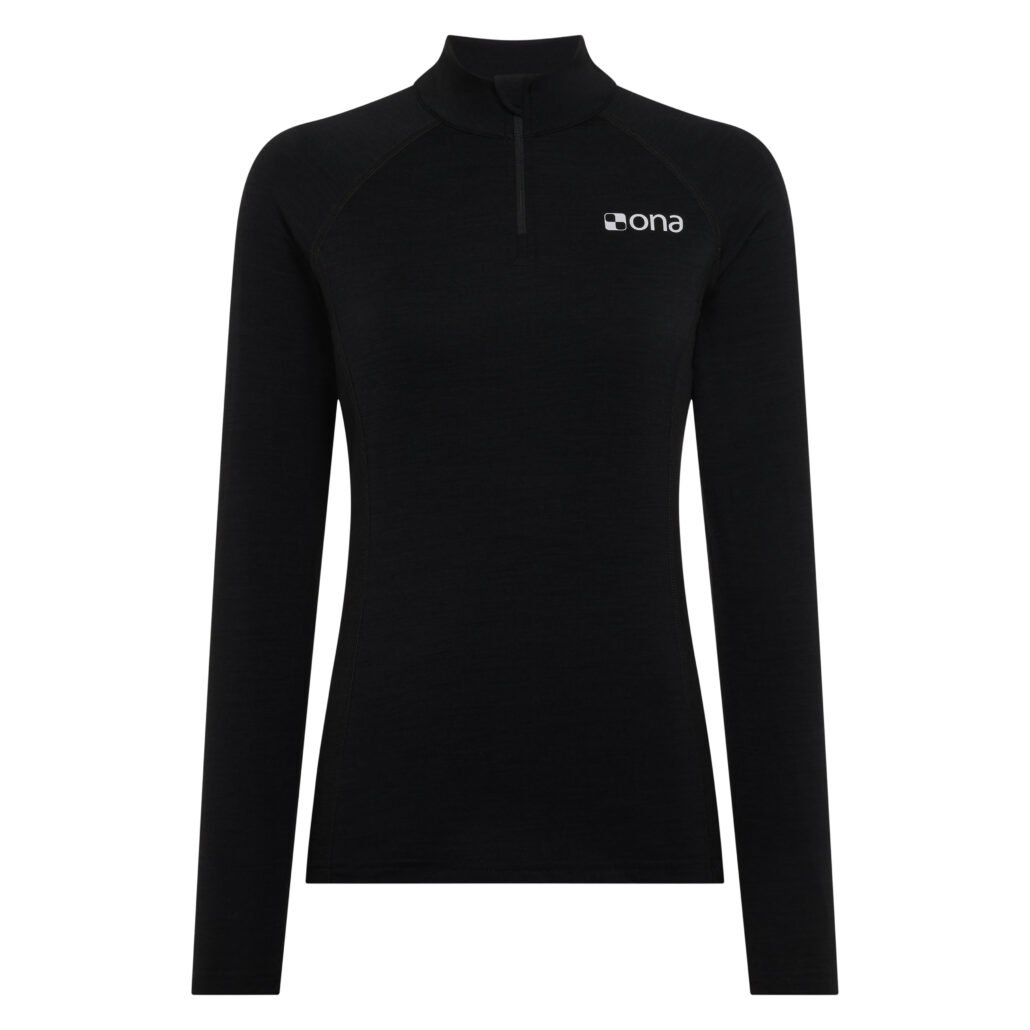
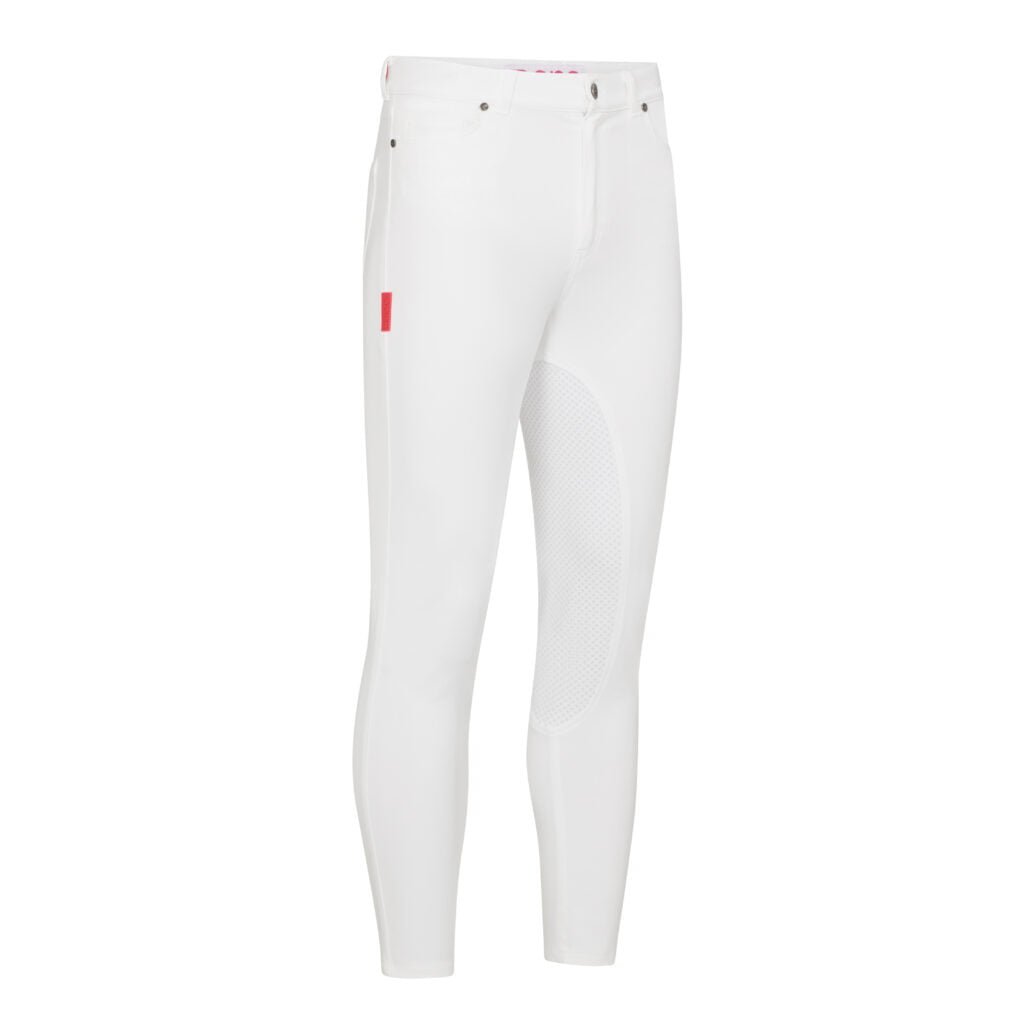
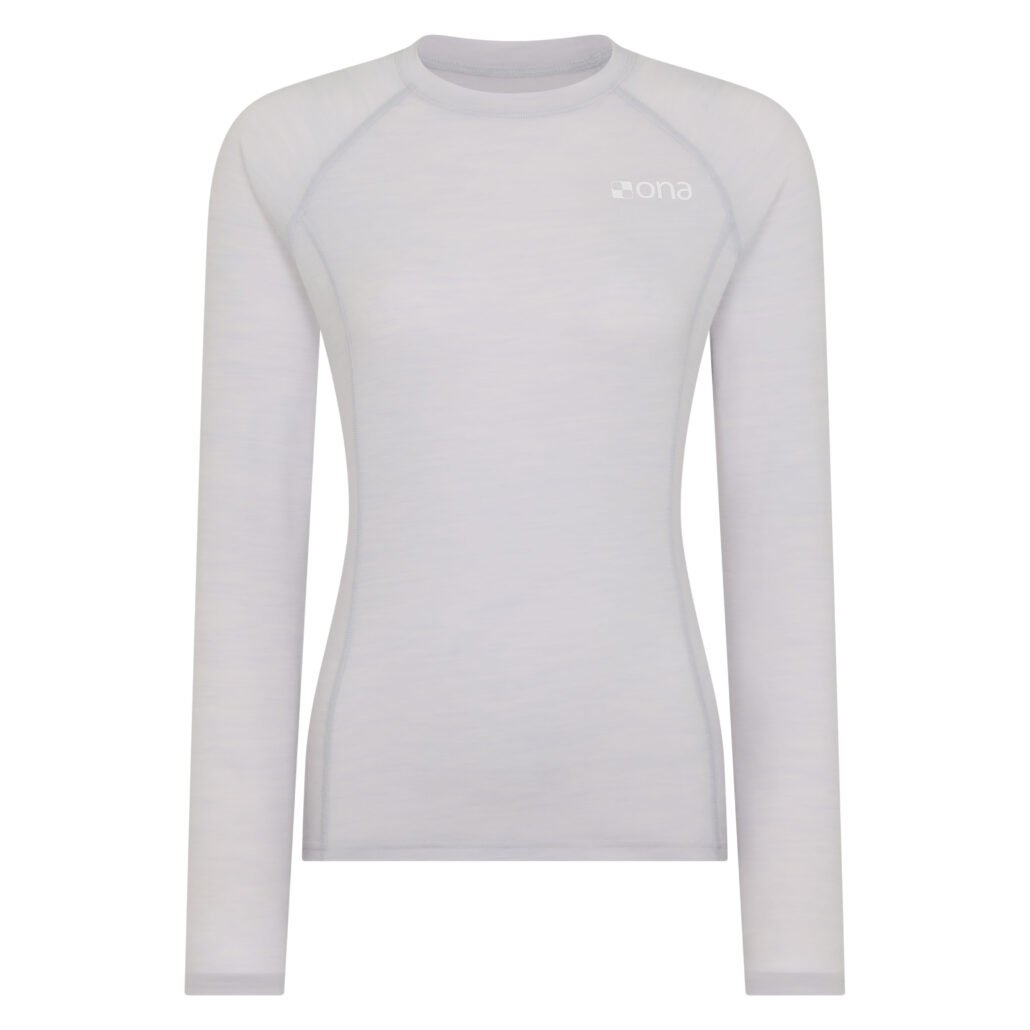
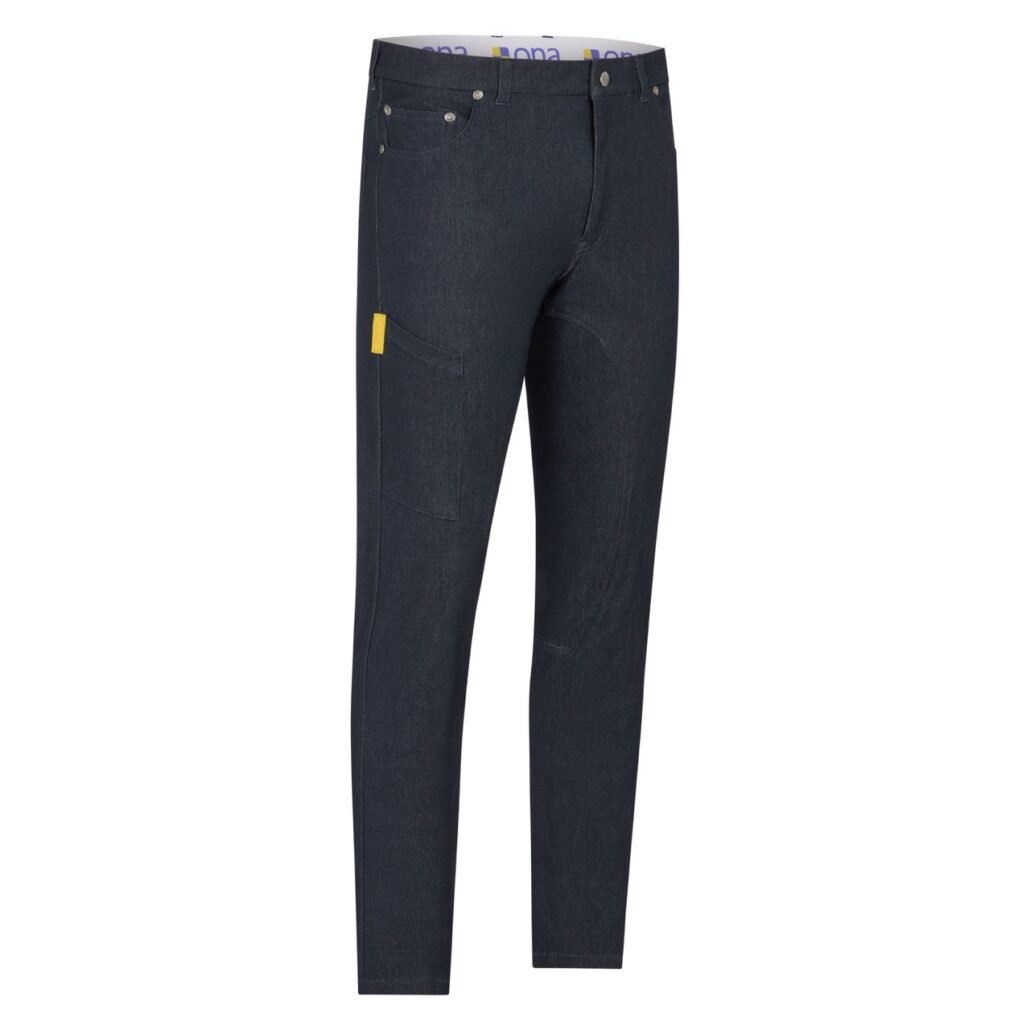
- Polo whites and practice pants. Polo players wear white trousers (“whites”) for match play under HPA, USPA and AAP dress codes. The tradition traces to 19th-century India, where white reflected the heat, and to the jodhpur , the flared-then-fitted trouser popularised by Sir Pratap Singh, Regent of Jodhpur, a keen player, around 1890. Modern technical whites use a bi-elastic softshell with grip panels at the inner thigh for saddle contact. Practice pants share the identical construction in darker colours that hide daily wear. Contrast: dressage and jumping riders wear breeches (often white or pale in competition) with tall boots; jockeys wear racing silks over lightweight breeches; western riders wear jeans and chaps; showing classes use tweed or navy show coats.
- Polo shirts are numbered 1–4 by playing position and are breathable, quick-dry team garments , the origin of the now-ubiquitous “polo shirt” as a fashion item.
- Protective gear. Polo players wear elbow pads and knee protection because of the ride-off and the risk of mallet and ball strikes , protective needs that dressage simply does not have. (Helmets and knee guards are standard safety kit discussed here educationally; they are not Ona Polo categories.)
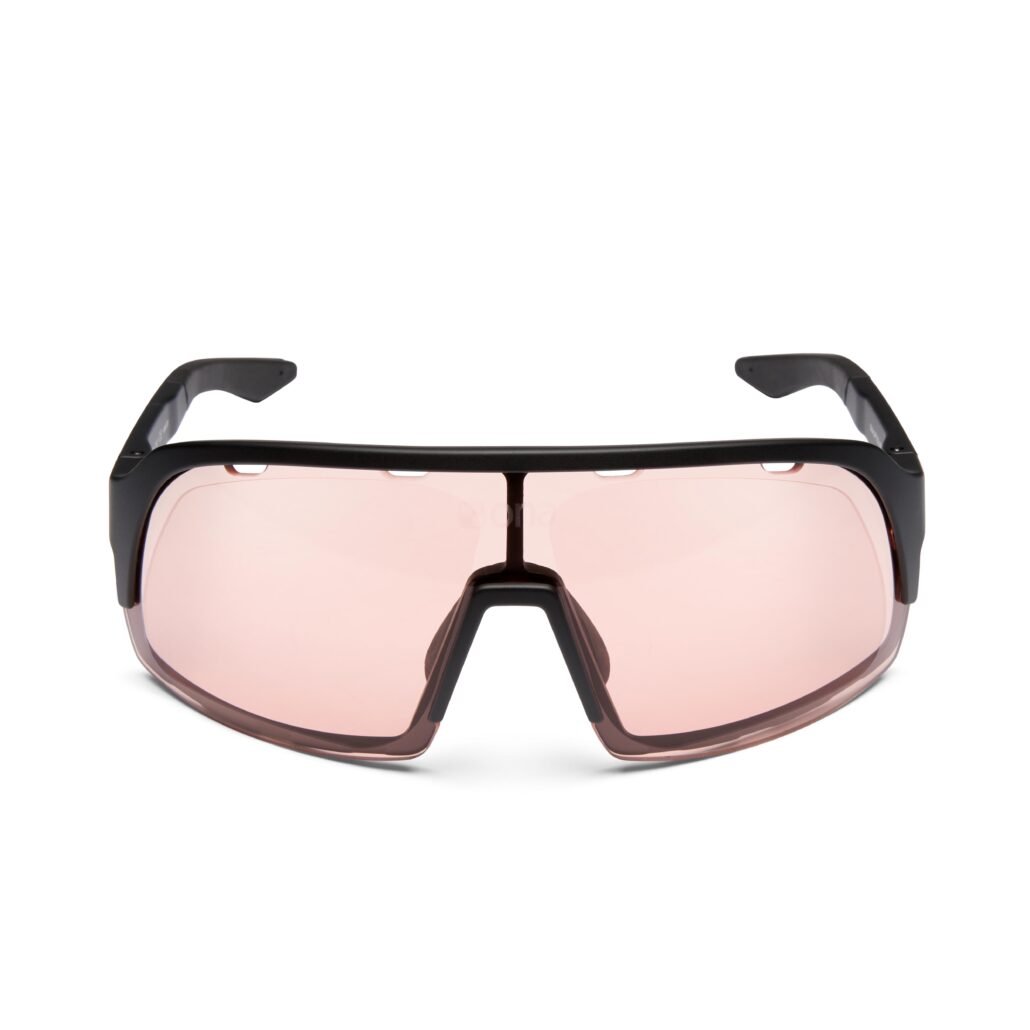
- Eyewear. Given that eye injuries are the leading cause of a polo player needing hospital treatment, and are now the subject of an HPA mandate from 2026 , purpose-built protective eyewear (impact-resistant, secure at speed, often with interchangeable or prescription lenses) is a serious piece of safety equipment, not a style choice.
The saddle: a study in trade-offs
The defining features are consistent across makers: a flat, open seat (where a dressage saddle cups the rider into a deep seat, the polo saddle keeps it shallow and level so the player can rise instantly and shift weight side to side); little or no knee roll and minimal padding under the leg (bulky blocks would block the rotation of the swing); forward-cut but fairly straight flaps to accommodate a shorter stirrup and bent knee; and tough, lightweight construction.
| Saddle | Seat | Flap / knee roll | Stirrup length | Built for |
| Polo | Flat, shallow, open | Forward-cut, minimal/no knee roll | Medium-short | Freedom to swing, ride-off, fast up-and-down |
| Dressage | Deep, cupped | Long, straight flap, often big thigh blocks | Long | Deep, still seat; subtle aids |
| Jumping | Flatter | Forward-cut flap, pronounced knee roll | Short | Folding forward over fences |
| Eventing / GP | Medium | Forward-cut, moderate support | Adjustable | Versatility across phases |
| Racing | Tiny, minimal | Very forward, extremely light | Very short | Jockey’s crouch, minimal weight |
| Western | Deep, with horn | Heavy skirts, no knee roll | Medium-long | Ranch work, all-day comfort, roping |
Gloves: grip is everything
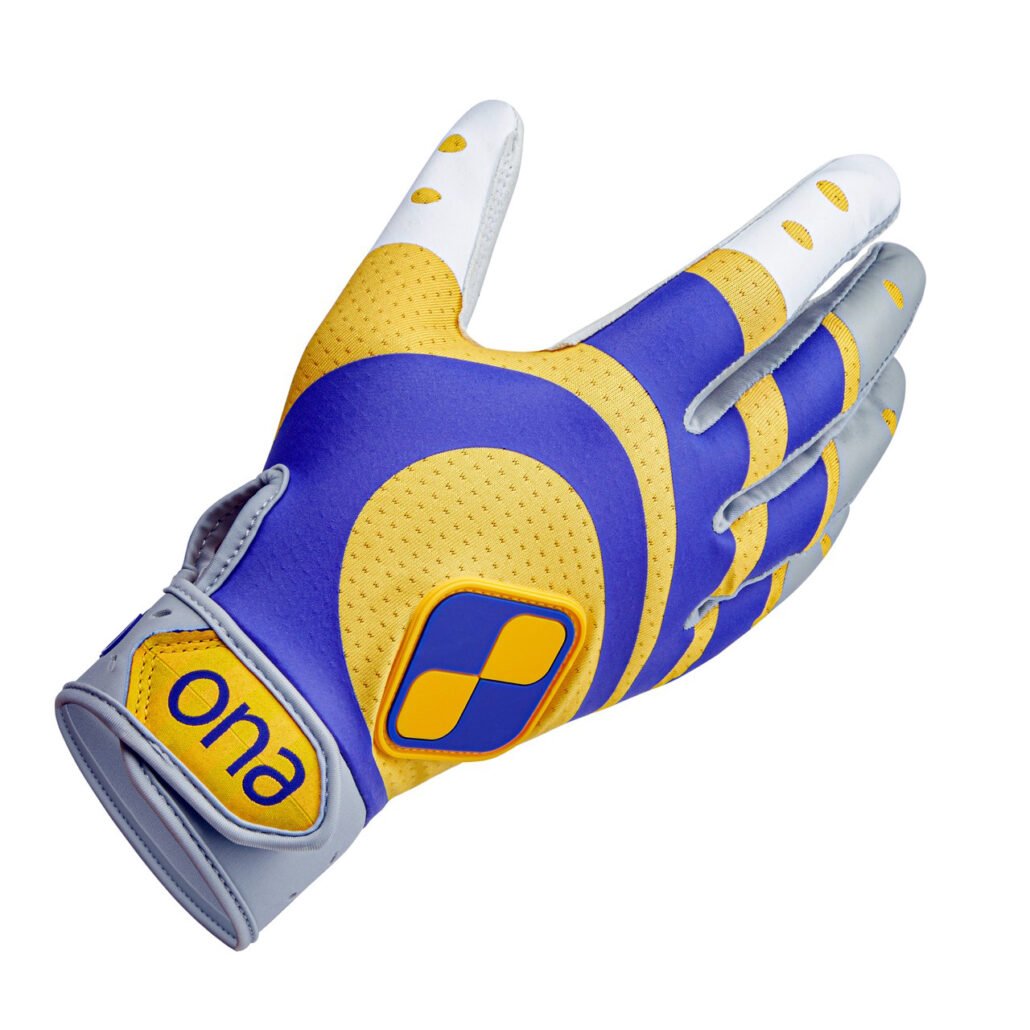
Polo playing gloves solve a problem unique to the sport: maintaining secure grip on the mallet handle and the reins, often in wet conditions, while protecting against blisters, mallet friction and rein rope-burn. Convention centres on the hands doing different jobs: the right (mallet) hand needs grip and dexterity; the left (rein) hand needs reinforcement against friction from the reins. Some players wear a single glove, others a pair, and specialist wet-weather models exist precisely because rain changes everything about grip. This is a world away from dressage or jumping gloves, which are thin, plain and exist mainly for a consistent, comfortable rein contact.
“A dressage glove and a polo playing glove look similar and do completely different jobs. In polo the glove has to lock onto a mallet handle through a wet chukka while managing the reins in the other hand. That is why we build specific grip technologies and rain-grip lines , it is a performance problem, not a fashion one.” – Alejandra Falkinhoff, CEO, Ona Polo

The handicap system: polo’s unique ranking
The system was created by Henry Lloyd Herbert, first president of the USPA, at its founding in 1890, so teams of mixed ability could be matched fairly. A team’s handicap is the sum of its four players’ handicaps, and in handicap tournaments the weaker team is awarded goals of start to level the contest. Tournaments are described by their handicap level , “high goal” (roughly 17–22 in the UK), “medium goal,” and “low goal.” A 10-goal handicap is extraordinarily rare: fewer than a dozen players hold it worldwide at any time, and , as the polo publication POLO+10 notes , of the nine 10-goalers currently playing, eight are from Argentina. About two-thirds of all handicapped players are rated two goals or below. National bodies (HPA, USPA, AAP) review handicaps once or twice a season, and a separate women’s handicap scale was introduced in 2015.
How does this compare?
| Sport | How riders / horses are ranked | Scale / direction |
| Polo | Player handicap in “goals” (subjective committee assessment) | −2 to 10; higher is better; summed into team handicap |
| Dressage | FEI World Ranking from competition percentage scores | % score, higher better; ranking over rolling 8 months |
| Show jumping | FEI (Longines) World Ranking points; scoring by faults | Fewer faults better; points accumulate over rolling 12 months |
| Racing | Official Rating (BHA handicappers) | Flat ~0–140+; Jumps to ~170+; higher better; sets weight carried |
| Endurance | Placing plus mandatory vet “fit to continue” gates | First to finish sound |
The contrasts are instructive. A polo handicap is a holistic, human judgement of a player revised twice a year; a racing rating is a data-driven figure produced by professional BHA handicappers and republished every Tuesday, used literally to assign the weight a horse carries (Frankel, the highest-rated flat horse in history, was rated 140; over jumps, Kauto Star reached 190). Dressage and jumping world rankings are results-driven , the FEI Longines Jumping Ranking, for example, rolls over a 12-month period, dropping each month’s points a year later, with a recent world No. 1 (Kent Farrington, USA, mid-2026) holding around 3,475 points. Show jumping’s own scoring is precise and unforgiving: under FEI rules a knockdown or a first refusal costs 4 faults and each commenced second over the time allowed adds 1 fault, with top courses set up to 1.60 m. (Note that British Showjumping applies a different time penalty of 1 fault per 4 seconds , the rate is rulebook-dependent.)
Cost, accessibility and how to start
Polo’s reputation for exclusivity is only half the story. Getting started is more accessible than most people assume; reaching the top is where the costs escalate.
Entry pathways
- Polo schools and clubs. The standard entry point is a lesson at a club with a hired horse and loaned kit. In the UK you simply find an HPA-affiliated club or academy and book , no riding experience or club membership required to begin.
- Arena polo. Played three-a-side in an enclosed arena, arena polo is the natural beginner and winter route: the smaller space keeps you in the action, and the UK’s wet winters have made it especially strong there (an HPA indoor season runs roughly November to February/March).
- University and collegiate polo. In the UK, the Schools and Universities Polo Association (SUPA) runs national championships and welcomes total beginners; you don’t need to own a pony. In the US, the USPA’s Intercollegiate program spans 35-plus programmes across dozens of men’s and women’s teams, playing arena polo, with scholarships available.
What it costs
Typical guide prices: lessons run around $100–$300 per hour in most countries (the UK often cited at roughly £90–£150 with a hire horse); once you are playing chukkas, expect $80–$250 per chukka including horse hire. Argentina is generally the most affordable place to learn; the US, UK and UAE sit at the higher end. The real expense is ownership: maintaining a competitive string of ponies, with grooms, transport and veterinary care, runs into the tens of thousands per year. In this respect polo resembles the upper reaches of eventing, show jumping and racehorse ownership , the sports diverge less at the elite level (all are expensive) than at entry level, where a weekly lesson or a university club is a genuinely modest outlay.
Beginner advice
Start in an arena; get comfortable being led and steering one-handed before you ever hold a mallet; expect to learn to ride, to swing, and to coordinate both at once , polo is one of the most complex sports to begin, so the quality of your first school matters enormously. Prioritise protective kit from day one: a properly fitted helmet (safety equipment discussed educationally here), gloves for grip and blister protection, and , now mandatory under the HPA from 2026 , protective eyewear.
Culture, terminology and the great tournaments
The rituals
Polo’s culture is as distinctive as its rules. The throw-in starts play, with the umpire bowling the ball between the lined-up teams; a bell signals the end of a chukka (with a further 30 seconds of play). At half-time comes the sport’s most famous ritual: divot stomping, when spectators walk onto the field to tread back the turf kicked up by the ponies’ hooves , as much a social occasion, champagne in hand, as a piece of groundskeeping.
The major tournaments
- The Argentine Open (Campeonato Argentino Abierto) at Palermo, Buenos Aires , held every year since 1893 (known 1893–1923 as the “River Plate Polo Championship”) and universally regarded as the sport’s pinnacle, the final leg of Argentina’s Triple Crown (with Tortugas and Hurlingham). Team handicaps must be between 28 and 40 goals, making it one of the only arenas where a 40-goal team (four 10-goalers) can appear. The most recent champion is La Dolfina Natividad (2025); Coronel Suárez holds the most titles, with 25.
- The Cartier Queen’s Cup and Cowdray Park Gold Cup (the British Open) , the twin peaks of the British high-goal summer, June–July.
- The U.S. Open Polo Championship , the top American title, played at the International Polo Club Palm Beach in Wellington, Florida, part of the winter/spring “Gauntlet of Polo.”
Compare the rhythms of other disciplines: dressage, jumping and eventing revolve around the FEI World Cup series, European and World Championships and the Olympics; racing has its own calendar of Classics and festivals (the Grand National, Cheltenham, the Derby). Polo’s social culture , hospitality, marquees, patronage , is closer to racing’s than to the amateur, results-focused club culture that dominates grassroots dressage and eventing.
Polocrosse: polo’s closest cousin
Polocrosse deserves its own mention because it is the sport most often confused with polo. Developed in Sydney in the late 1930s and governed internationally by the IPC, it blends polo with lacrosse and netball: players carry, catch and throw a rubber ball using a racquet with a netted head rather than striking it with a mallet. Crucially , and unlike polo , each player rides only one horse for the entire match, which makes it dramatically more accessible and welcoming to a wider range of breeds. Teams are six-a-side (two sections of three), the field is smaller, and only the number 1 may score. If polo is the galloping, string-hungry aristocrat of stick-and-ball sports, polocrosse is its friendly, one-horse, family-oriented relative.
Set side by side, polo and its equestrian cousins reveal how radically a single animal can be specialised. Dressage refines one partnership to the point of art; show jumping asks for explosive precision over fences; eventing tests all-round courage across three days; racing distils the horse to pure speed; endurance to pure stamina; reining to the agility of the working ranch horse. Polo alone turns the horse into a team athlete in a fast, one-handed contact ball game, and alone demands a whole string of them per match. That single fact ripples outward into everything: the Thoroughbred–Criollo breeding, the one-handed seat, the flat saddle, the grip gloves, the protective eyewear and elbow pads, the whites, and a handicap system found nowhere else in the equestrian world.
For the newcomer, the encouraging truth is that polo is more approachable at entry level than its glamorous image suggests, a lesson at a local club or a university team costs no more than many other riding pursuits. It is only the summit that is rarefied. Understanding how polo differs from the sports around it is the first step to appreciating why it inspires such devotion.



Frequently asked questions
What is the main difference between polo and other equestrian sports?
Polo is a four-a-side contact team sport played at speed with a mallet and ball, in which each player rides several horses (“a string”) during a single match. Dressage, show jumping and eventing are individual disciplines judged on precision, jumping or a combination, using one horse throughout.
What is a chukka?
A chukka is a period of play in polo lasting about seven to seven-and-a-half minutes. A match has four to eight chukkas, and a pony may play no more than two of them, never consecutively.
What is a polo pony?
A polo pony is a full-sized horse (typically 15–16 hands) bred and trained for polo , most famously the Argentine Polo Argentino, a Thoroughbred–Criollo cross prized for speed, agility, bravery and a calm temperament. The word “pony” is a historical courtesy, not a description of size.
How does the polo handicap work?
Each player is rated from −2 (novice) to 10 (world-class) in “goals,” reflecting overall ability rather than goals scored. A team’s handicap is the sum of its four players’; weaker teams receive goals of start to even the contest.
Why do polo players wear white trousers?
Polo whites are required for match play under HPA, USPA and AAP dress codes. The tradition began in 19th-century India, where white reflected the heat, and is linked to the jodhpur trouser popularised around 1890.
How is a polo saddle different from a dressage saddle?
A polo saddle has a flat, shallow seat, minimal knee roll and light, tough construction so the rider can rise, lean and swing freely. A dressage saddle has a deep, cupped seat and long flaps with thigh blocks to hold the rider still and vertical.
Why do polo players wear gloves and elbow pads?
Gloves provide grip on the mallet and reins (vital in the wet) and protect against blisters and rein burn; elbow pads protect against contact during ride-offs and against mallet and ball strikes. Polo is a contact sport, so protective equipment matters.
Is polo more dangerous than other equestrian sports?
Polo’s injury rate per playing hour (about 7.8 per 1,000 player-game hours in one study) is lower than many field sports, but injuries tend to be more severe. Eye injuries are the single most common reason a polo player needs hospital treatment, which is why the HPA made eye protection mandatory from 2026.
How many horses do you need to play polo?
At club level, as few as two or three (playing each for two non-consecutive chukkas). In high-goal polo, players bring six to a dozen , a fresh mount per chukka plus spares.
Is polo an Olympic sport?
Polo was an Olympic sport in 1900, 1908, 1920, 1924 and 1936, but is not today. Dressage, show jumping and eventing are the three current Olympic equestrian disciplines.
How do I start playing polo as a beginner?
Book a lesson at an HPA- or USPA-affiliated club or polo school, ideally starting in an arena with a hired horse and loaned kit. University clubs (SUPA in the UK, USPA Intercollegiate in the US) welcome complete beginners.
What is divot stomping?
Divot stomping is the half-time tradition in which spectators walk the field to press back the turf divots kicked up by the ponies’ hooves , a social ritual as much as ground maintenance.